How Custom AI Solutions for Logistics Drive Efficiency

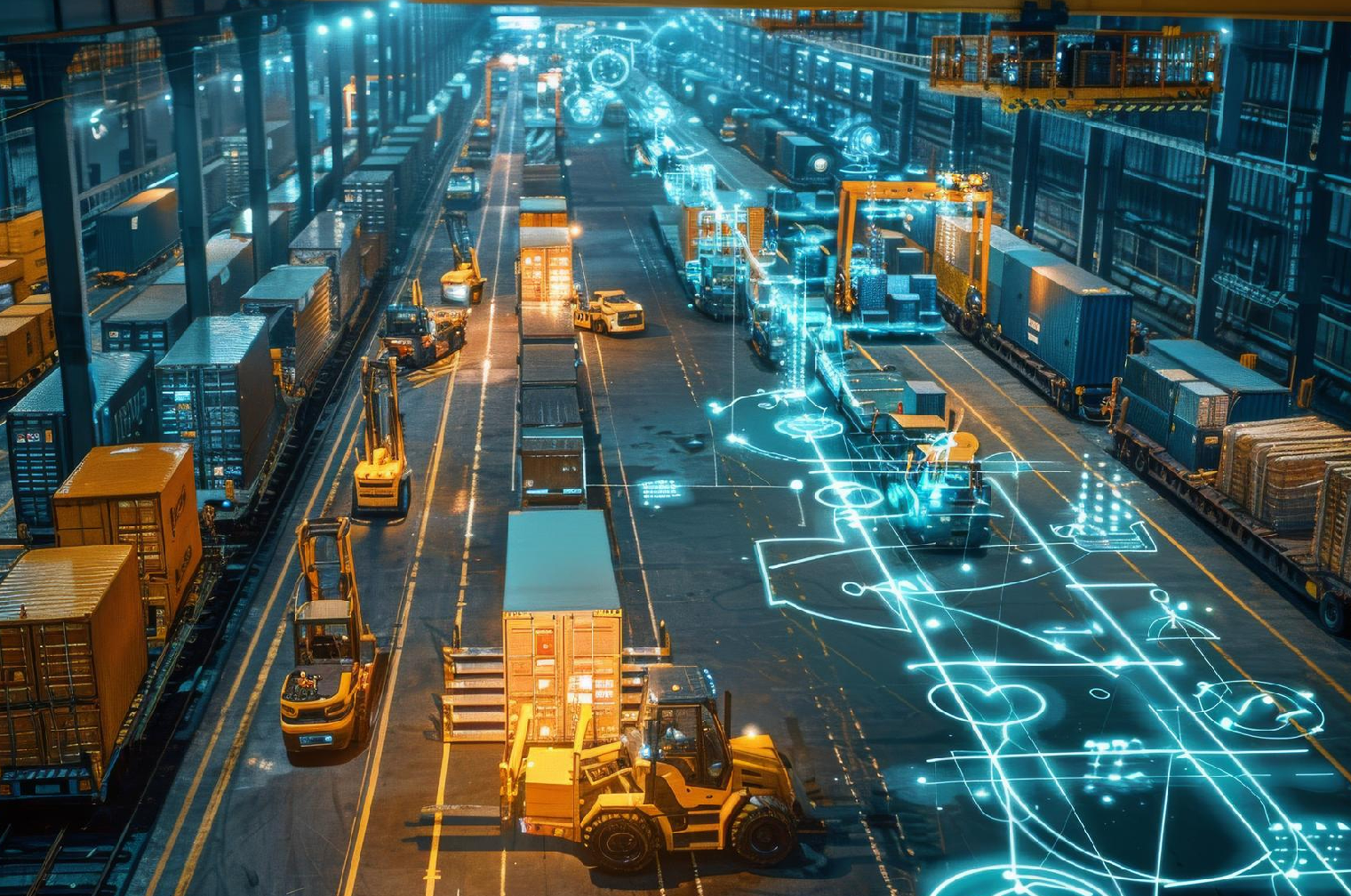
Now, every business from all industries is embracing AI for various use cases, and the logistics industry is no exception. The whole industry is being revolutionized through custom AI solutions for logistics that are redefining traditional supply chain operations. With the global AI market in logistics projected to reach $549 billion by 2033, these technologies have become essential for competitive advantage.

Now, custom AI solutions for logistics are evolving from optional tools to critical business assets. According to Meticulous Research, demand for AI technology in logistics and supply chain management will grow to $58.55 billion by 2031.

Despite this potential, only about 25% of organizations across the US, UK, and Germany had implemented artificial intelligence in logistics by 2024, revealing a significant opportunity for forward-thinking companies to gain a competitive edge. And, at ViitorCloud, we create custom AI solutions for logistics that make them future-ready.

What Challenges Are Logistics Companies Facing Today?

The logistics sector continues to struggle with several operational challenges that impact efficiency and profitability:

Incomplete Digitization

Many businesses attempt AI implementation without proper preparation, causing misalignment between expectations and outcomes. Comprehensive digitization across operations is essential before investing in custom AI solutions.

Expertise Shortages

There’s a significant shortage of employees experienced with operating AI tools, making implementation difficult without proper support.

Investment Concerns

Innovation requires substantial investment, especially for large organizations. Executives often spend months on risk assessment to determine ROI potential.

Supply Chain Visibility

Traditional logistics operations frequently struggle with limited visibility across the supply chain, leading to inefficiencies and delays.

Check: AI-Driven Decision Systems for Logistics Efficiency

How Can Custom AI Solutions Transform Logistics Operations?

Custom AI solutions are revolutionizing logistics through multiple innovative applications:

Demand Forecasting

AI algorithms integrate real-time feeds with historical data to forecast demand precisely, allowing businesses to adjust supply plans dynamically, reducing waste and inventory costs.

Route Optimization

AI enables real-time adjustments to transportation routes, leading to more efficient deliveries, reduced fuel consumption, and lower carbon emissions.

Warehouse Automation

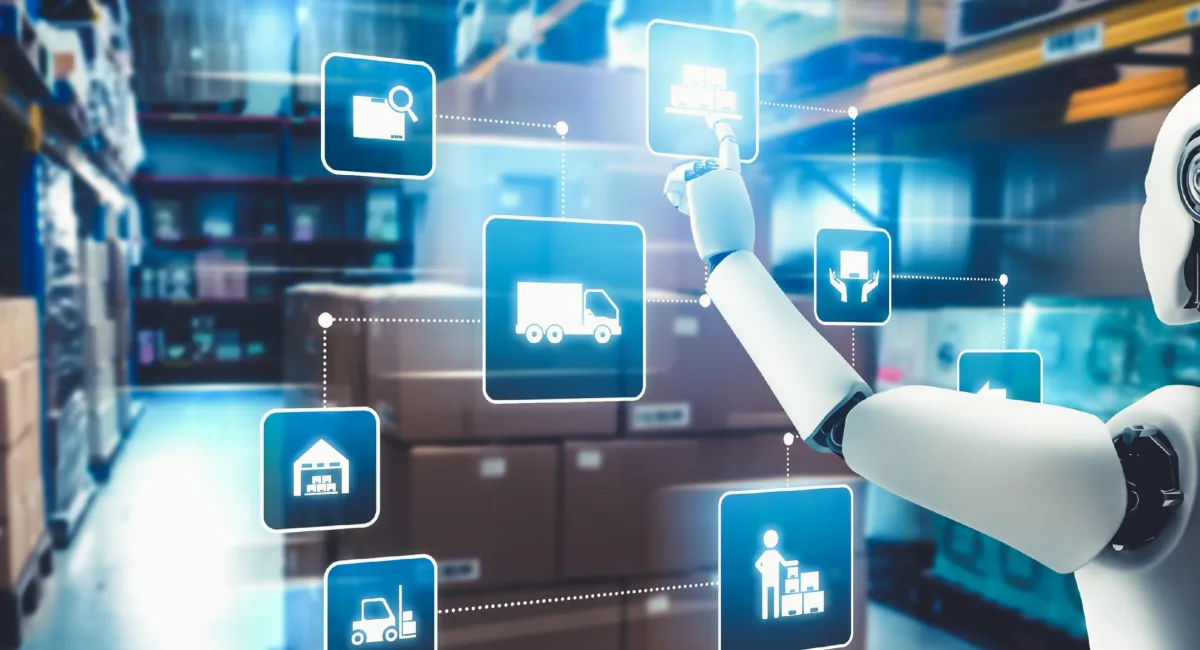
AI-powered robots handle tasks such as picking and sorting, increasing accuracy and speeding up order fulfillment.

Quality Control

Visual inspection systems detect product defects early, improving quality control and reducing waste.

Risk Management

AI helps detect emerging risks, such as supplier delays, natural disasters, or geopolitical events, allowing companies to take proactive measures.

Empower Your Logistics with Tailored AI Solutions

Discover how ViitorCloud’s Custom AI Solutions for Logistics can streamline operations and drive growth.

Benefits of Implementing AI in Logistics

Implementing custom AI solutions in logistics delivers numerous significant benefits:

1. Enhanced Operational Efficiency

According to Statista, 60% of companies worldwide expect robotic process automation to transform supply chains by 2025. AI-powered robots free up human employees from repetitive tasks like inventory management.

2. Cost Reduction

The McKinsey report shows that businesses that quickly adopted AI-driven supply chain management experienced a 15% reduction in logistics costs, a 35% decrease in inventory levels, and a 65% increase in service levels.

3. Error Reduction

With AI forecasting, supply chain errors can be reduced by 20-50%, while warehouse and administration costs can decrease by 5-10% and 25-40%, respectively.

4. Improved Decision-Making

AI analytics provide logistics managers with data-driven insights, enabling more informed strategic decisions.

Read: How AI-Powered Logistics Is Revolutionizing Global Supply Chains

How Does AI Optimize Route Planning and Transportation?

Custom AI solutions for route optimization deliver transformative benefits:

Fuel Cost Reduction

By identifying the most efficient routes through advanced algorithms, AI helps businesses dramatically reduce fuel costs, a significant expense in logistics operations.

Improved Delivery Times

AI selects the fastest routes by analyzing multiple variables simultaneously, helping businesses improve delivery times and enhance customer experience.

Enhanced Safety

Custom AI solutions optimize routes based on factors such as road conditions and weather forecasts, significantly improving driver safety.

Real-Time Adaptability

AI systems dynamically adjust routes in response to unexpected events like traffic congestion or weather changes, ensuring timely deliveries despite disruptions.

Transform Your Business with Our Custom AI Solutions

Leverage ViitorCloud’s expertise to implement Custom AI Solutions that enhance Supply Chain Transparency.

Role of AI in Warehouse Management and Inventory Control

AI is revolutionizing warehouse operations through several key applications:

  1. Inventory Optimization: AI predicts demand for each product, enabling companies to maintain optimal inventory levels, reduce carrying costs, and minimize stockouts.
  2. Warehouse Automation: AI-powered robots and systems streamline picking, packing, and sorting operations, increasing speed and accuracy.
  3. Space Utilization: Advanced AI algorithms optimize warehouse layouts based on product characteristics and access frequency.
  4. Quality Control: Computer vision systems perform automated quality checks with greater consistency than human inspectors.

Read: Vertical AI Agents in Logistics: Enhancing Supply Chain Efficiency

How Can AI Enhance Customer Experience in Logistics?

Custom AI solutions significantly improve customer satisfaction:

  1. Accurate Delivery Predictions: AI systems provide customers with precise delivery time estimates based on real-time analysis.
  2. Proactive Issue Resolution: Predictive analytics helps identify potential delivery issues before they occur.
  3. Transparent Communication: AI-powered tracking systems provide customers with real-time updates on their shipments, building trust.
  4. Automated Support: AI chatbots provide immediate responses to customer queries 24/7, enhancing the overall service experience.

Why Choose ViitorCloud for Custom AI Solutions in Logistics?

ViitorCloud offers comprehensive custom AI solutions specifically designed for the logistics industry:

AI Consulting and Strategy

Our experts work closely with your team to identify specific challenges, develop a tailored AI roadmap that aligns with your business objectives.

Machine Learning & AI Development Services

We create custom machine learning models that address unique logistics challenges, from demand forecasting to route optimization.

AI Co-Pilot & Assistant Development

Our team develops intelligent assistants that support decision-making processes for logistics managers, enhancing operational efficiency.

AI MVP Development

We rapidly build minimum viable AI products that allow you to test concepts before full-scale implementation.

AI Integration

Our experts seamlessly integrate AI solutions with your existing systems, ensuring smooth data flow and maximum impact.

Data Pipeline Development

We design robust data pipelines that collect and analyze data generated across your logistics operations, turning it into actionable insights.

According to McKinsey, companies with fully integrated AI in their supply chains have seen a 15% reduction in logistics costs and a 35% improvement in inventory levels.

By partnering with ViitorCloud, you gain access to our expertise that helps optimize costs and enhance operational effectiveness across your logistics network.

Unlock Growth with Our AI Solutions for Logistics Industry

Partner with ViitorCloud to deploy Custom AI Solutions designed specifically for Logistics Businesses.

Final Words

Custom AI solutions for logistics are transforming the industry by enhancing efficiency, reducing costs, and improving customer experiences. As technology evolves, logistics companies that embrace these innovations will gain significant competitive advantages.

ViitorCloud offers specialized AI solutions tailored to logistics operations, helping businesses navigate implementation challenges and maximize ROI. Partner with us to create more resilient, efficient, and profitable supply chains. Contact us now at support@viitor.cloud.
Why SMEs Should Choose ViitorCloud for AI Solutions

AI is not a one-size-fits-all solution. Every business has unique challenges and expectations from digital initiatives. Custom AI solutions ensure organizations can address their specific needs. The study found that businesses adopting AI can boost revenue by an average of 44%. This is where ViitorCloud’s expertise in tailoring solutions becomes invaluable.

Benefits of Working with ViitorCloud

1. Tailored Approaches to AI Integration

Custom AI solutions allow companies to tailor their technology to fit operational requirements better.

  • Personalized Solutions: Whether you’re in retail and need customer behavior analytics or in healthcare and require patient data management, our custom solutions adapt to your domain.
  • Scalability: As your business grows, your AI infrastructure should too. The solutions we offer adapt seamlessly to growing demands, helping you scale with confidence.

2. Expertise across Various Industries

Our extensive experience spans multiple sectors, including finance, healthcare, and retail.

  • Tailored Industry Knowledge: We bring insights and practices that align with your industry standards and best practices, which can drastically shorten the learning curve and provide quicker ROI.
  • Case Studies of Success: SMEs in similar sectors have witnessed transformation in operations, customer satisfaction, and profitability through our solutions.

Empower Your SME with Tailored AI Solutions

Discover how ViitorCloud’s AI Solutions for SMEs can streamline operations and drive growth.

3. Cost-Effectiveness

Many SMEs shy away from AI solutions due to the high costs associated with AI technologies.

  • Resource Optimization: With our help, AI can automate repetitive tasks, thereby reducing labor costs significantly. A manufacturing client saw operational costs cut by 30% post-AI implementation.
  • Long-Term Savings: Initial investments pave the way for future savings through efficiency and reduced manual errors.

4. Holistic Support Through the AI Journey

Ongoing support and enhancement are crucial to maintaining the efficacy of AI solutions.

  • Continual Learning and Upskilling: Our team also works with your personnel to ensure they are equipped to leverage advanced technologies.
  • Adaptation to Market Trends: As market dynamics change, so should your strategies. We continuously monitor and adapt solutions based on new trends and technologies.

    5. Advanced Tools and Technologies

    Leveraging state-of-the-art tools is imperative when deploying AI.

    • Cloud Capabilities: This allows for scalable and flexible solutions that aren’t restricted by physical infrastructure, leading to increased efficiency.
    • AI Technologies: From machine learning algorithms to predictive analytics, every tool is designed to drive business decisions effectively.

    6. Generative AI — Do More with Less

    Generative AI enables organizations to automate not just operations but also the creative processes behind various projects.

    • Marketing and Content Creation: With our customized AI, a marketing team could generate thousands of content pieces in hours, thereby saving resources without sacrificing quality.
    • Innovative Solutions for Product Development: Companies can rely on AI models to generate potential design options for engineering, cutting down on time and potential pitfalls during the development phase.

    Transform Your Business with AI-Driven Solutions

    Leverage ViitorCloud’s expertise to implement AI-Driven Solutions that enhance efficiency and innovation.

    7. Blockchain for Enhanced Security and Transparency

    In this digital age, security has never been more crucial. Implementing blockchain technology can provide SMEs with an added layer of security, elevating trust among customers and stakeholders.

    • Smart Contracts: They automate processes while ensuring compliance, which is particularly beneficial in industries like finance and real estate.
    • Supply Chain Transparency: With our blockchain solutions, businesses can track their products from inception to delivery, ensuring ethical sourcing and building brand trust.

    8. Legacy Modernization

    Many SMEs struggle with outdated systems, which can hinder productivity and overall strategy execution. Legacy modernization is a powerful vehicle that aids in the transition towards a more agile, digital environment.

    • Step-by-Step Integration: Our approaches minimize disruption while ensuring that businesses can gradually modernize their systems, leading to incremental benefits.
    • Competitive Edge: By modernizing outdated technology, businesses can improve customer experience, which drives loyalty and boosts revenues.

    9. Future-Proofing Your Business Strategy

    Navigating the complexities of AI requires expert guidance. We adopt a proactive approach that focuses on ongoing innovation and sustainability.

    • Iterative Process: Our projects follow an agile methodology, allowing adjustments and iterations throughout the project lifecycle.
    • Long-Term Partnership: We strive to build relationships that last, ensuring our collaborations remain relevant as technology and market needs evolve.

    Ready to Transform? Contact ViitorCloud Today!

    As your organization delves into the digital transformation journey, aligning yourself with the right partner is essential. At ViitorCloud, we pride ourselves on crafting tailored AI solutions that not only meet immediate needs but also lay the foundation for future success.

    For SMEs ready to leap into a new era of technology and innovation, explore our custom AI solutions or drop us a line at support@viitor.cloud. Let’s embark on this transformative journey together!

    Unlock Growth with AI Solutions for SMEs

    Partner with ViitorCloud to deploy AI Solutions designed specifically for small and medium enterprises.

    Conclusion

    In a world where digital transformation is no longer optional but a necessity, SMEs cannot afford to be left behind. Choosing the right partner can unlock vast opportunities for growth and efficiency. With custom AI solutions, ViitorCloud stands at the forefront of this movement, helping businesses not only navigate change but thrive within it. Remember, your journey begins with taking that first step.

    Let us help you take it.

    AI-Driven Decision Systems for Logistics Efficiency

    The numbers reveal a compelling case for the integration of AI in logistics. Companies that utilize AI-driven decision systems for logistics have reported significant improvements across their operations.

    For instance, optimizing transportation routes can lead to:

    • Transportation cost reduction: By leveraging AI tools, companies can reduce transportation costs by as much as 5-10%.
    • Inventory management efficiency: Organizations can achieve 20-30% reductions in excess inventories, freeing up capital that can be reinvested elsewhere.
    • Improved demand forecasting: Traditional methods of demand forecasting often fall short. AI models have successfully reduced forecasting errors by 30-50%.

    These figures demonstrate how AI is not merely a technological upgrade but a pivotal force in reshaping logistics operations for better efficiency and cost-effectiveness.

    Read: AI in Supply Chains and Logistics: Global Operations

    How Do AI-Driven Systems Optimize Transportation Routes Instantly?

    The classic approach to transportation route planning typically depends on static maps and historical data. In contrast, AI-driven decision systems for logistics take a holistic approach by analyzing real-time variables to optimize routes dynamically.

    Factors these systems consider include:

    • Live traffic conditions
    • Weather forecasts
    • Fuel prices
    • Delivery constraints

    For example, a major European retailer implemented an AI-driven routing system to decrease their delivery distances by as much as 15% and improve vehicle utilization by 20%. Not only did this save the company money, but it also improved delivery times, ensuring that goods reached customers more quickly and safely.

    Boost Logistics Performance with AI Precision

    Implement AI-Driven Decision Systems for Logistics to streamline operations and maximize efficiency.

    Can Predictive Analytics Really Forecast Demand Better Than Humans?

    Traditional forecasting methods often fall short, failing to adapt quickly to changing consumer behaviors or market dynamics.

    However, AI is transforming demand forecasting:

    • Advanced analytics tools can process massive amounts of data, including structured (historical sales, customer reports) and unstructured data (social media trends, weather forecasts).
    • AI systems can adapt to changing market conditions rapidly, allowing for daily adjustments rather than relying on outdated quarterly forecasts.

    An example from a Fortune 500 company illustrates this point: The company used an AI model that identified a trend in retro sneaker sales on TikTok, predicting a surge before others caught on. As a result, they were able to meet high demand ahead of time. This capability reduces stockouts and excess inventory alike, optimizing supply chain performance.

    Also Read: Vertical AI Agents in Logistics: Enhancing Supply Chain

    What Makes Risk Management Smarter With AI Tools?

    Supply chains are fraught with potential disruptions, from unexpected natural disasters to supplier failures.

    AI-driven decision systems for logistics enhance risk management by:

    • Utilizing real-time data to monitor supplier stability and identify potential issues before they escalate.
    • Employing risk scenario simulations to prepare for possible disruptions enables companies to adapt quickly.

    For instance, an automotive manufacturer avoided significant losses during a typhoon by closely monitoring weather patterns and supplier locations with AI. This proactive approach allowed them to airlift components instead of waiting for delayed shipments, saving the company approximately $8 million.

    Are Cost Reductions From Automation As Big As They Claim?

    The integration of AI and automation in logistics systems can lead to considerable cost savings in various areas:

    Labor Efficiency Gains

    • Robotic Process Automation (RPA) can handle repetitive tasks such as invoice processing and order fulfillment, cutting processing time drastically.
    • Chatbots can field customer inquiries, allowing human staff to focus on complex issues.

    Asset Utilization Improvements

    • Dynamic load balancing allows carriers to operate closer to full capacity, which could improve asset utilization rates from an industry average of 60% to much higher levels.
    • Predictive maintenance analytics identify potential downtime early, significantly reducing repair costs.

    According to McKinsey, these combined efficiencies can lead to total cost reductions of 15-25% across distribution networks.

    Drive Smarter Logistics Decisions with AI

    Unlock the power of AI-Driven Decision Systems and make faster, data-backed logistics choices.

    How Scalable Are Modern Logistics Platforms During Peak Seasons?

    The increasing complexity of logistics makes scalability critical, especially during peak seasons. Traditional methods often rely on hiring temporary workers and leasing additional warehouse space, which can significantly inflate operational costs. In contrast, AI-driven platforms offer automation that enables quick adjustments to meet fluctuating demand.

    For instance, advanced cloud-based platforms can auto-scale resources during peak periods, ensuring supply chain operations remain efficient without incurring permanent overhead costs. This flexibility allows companies to meet demand surges—think significant shopping events such as Black Friday—without the usual headache or expense.

    Also See: Logistics Cost Optimization with AI Solutions

    When Should You Partner With an Expert Like ViitorCloud?

    Though off-the-shelf solutions may seem attractive, the real value often comes from customized implementations that consider specific logistics challenges.

    Engaging with a specialized provider like ViitorCloud allows organizations to leverage:

    • Seamless integration of AI tools with existing ERP and WMS systems.
    • Tailored predictive models were developed using unique historical data.
    • 24/7 expert support ensures optimal operation with minimal disruptions.

    Studies indicate that businesses partnering with expert consultants often achieve an ROI timeline that is 40% faster than those choosing to implement solutions independently. This is particularly valuable in navigating the complexities of AI-driven logistics.

    Transform Supply Chains with AI-Driven Innovation

    Adopt ViitorCloud’s AI-Driven Decision Systems for Logistics to enhance delivery speed and reduce costs.

    Conclusion

    The logistics landscape is rapidly evolving with technological advancements. From optimizing route planning and improving demand forecasting to enhancing risk management and automating processes, AI-driven decision systems for logistics are an invaluable asset for modern supply chains. As the industry continues to innovate, companies that embrace these advanced technologies will significantly benefit, making informed decisions that drive efficiency and profitability. For organizations looking to elevate their logistics operations, exploring ViitorCloud’s services could be a vital step towards achieving these goals.


    Frequently Asked Questions

    They are innovative systems that utilize artificial intelligence to optimize various logistics processes in real-time.

    AI can analyze vast amounts of data quickly, providing more accurate and up-to-date forecasts compared to traditional methods.

    Scalability allows logistics platforms to adjust rapidly to changing demands, especially during peak seasons, without incurring extra costs.

    Companies should consider partnering when they require customized solutions or when navigating complex logistics challenges.

    Essential Generative AI Use Cases in the Energy Sector

    The energy sector is experiencing a digital transformation, with generative AI use cases in the energy sector becoming increasingly prevalent. The global gen AI in energy market is experiencing explosive growth, calculated at $953.79 million in 2024 and projected to reach a staggering $8,210.50 million by 2034.

    This expansion shows the sector’s recognition of generative AI’s potential to revolutionize operations, enhance efficiency, and drive sustainability. Gen AI use cases in the energy sector span from optimizing smart grids to predictive maintenance, creating a shift in how energy companies operate and deliver services.

    With energy demand surging globally and data centers alone projected to consume 11-15% of total annual electricity generation by 2030, the integration of gen AI has become not just advantageous but essential for future growth and optimization.

    What is the Role of Generative AI in Transforming the Energy Sector?

    Generative AI is fundamentally changing how energy businesses operate by analyzing vast amounts of complex data to generate actionable insights. Unlike traditional AI systems that simply analyze existing information, gen AI creates new patterns and solutions, making it uniquely valuable for the energy industry’s complex challenges.

    In the oil and gas sector, generative AI models predict reservoir behavior, helping organizations maximize extraction efficiency while minimizing environmental impact. For renewable energy, these technologies forecast wind and solar patterns, enabling real-time production strategy adjustments to improve generation and grid stability.

    By 2030, the industry’s investment in gen AI is expected to more than triple, from approximately $40 billion annually to over $140 billion, highlighting its growing strategic importance.

    Check: Managed IT Services for Energy and Utilities: Ensuring Reliability and Scalability

    Enhance Energy Operations with Generative AI

    Discover how Generative AI in the Energy Sector can optimize your operations and drive innovation.

    How is Generative AI Optimizing Energy Production and Distribution?

    Gen AI use cases in the energy sector are particularly impactful in production and distribution optimization. These advanced AI systems are being deployed to enhance grid management by predicting energy generation and consumption patterns with remarkable accuracy.

    For instance, generative AI can analyze sensor data, historical records, and real-time information to identify potential failures, predict maintenance needs, and optimize grid operations. In renewable energy, it simulates and optimizes various aspects of energy production, modeling wind farm efficiency under different weather conditions to design more productive and cost-effective installations.

    Google’s DeepMind has already demonstrated this potential by optimizing cooling processes in power plants, reducing energy consumption by 40%.

    What Are the Key Use Cases of Generative AI in the Energy Industry?

    The energy sector has identified several transformative gen AI use cases in the energy sector:

    1. Reservoir Simulation and Modeling: Generative AI analyzes large data volumes to create accurate underground reservoir models, enabling more informed drilling and production decisions.
    2. Drilling Optimization: AI algorithms optimize drilling operations by analyzing geological data, drilling history, and real-time sensor data to generate cost-effective drilling plans.
    3. Predictive Maintenance: Gen AI analyzes sensor data and equipment performance patterns to predict failures before they occur, reducing downtime and extending asset lifespans.
    4. Energy Demand Forecasting: AI-powered predictive models forecast energy demand with up to 95% accuracy, improving grid efficiency and resource allocation.
    5. Carbon Capture Optimization: Gen AI models assist in optimizing carbon capture technologies, a critical component in reducing emissions.
    6. Supply Chain Optimization: Gen AI streamlines energy supply chains, ensuring efficient resource distribution and cost reduction.
    7. Automated Routine Tasks: Generative AI automates repetitive operations like data entry, invoice generation, and document processing, boosting efficiency and reducing human error.

    Read: Seamless System Integration for Energy and Utilities: The Key to Reducing Downtime and Operational Costs

    Transform Your Energy Business with AI

    Leverage Gen AI Solutions to revolutionize energy management and achieve sustainability goals.

    Why is Gen AI Becoming Critical for Energy Companies?

    The increasing complexity of energy systems, coupled with growing sustainability pressures, makes generative AI adoption essential. Energy industry face unprecedented challenges in balancing supply and demand while integrating renewable sources. The transition to decentralized energy systems and smart grids requires sophisticated management tools that only AI can provide.

    According to recent utility-specific data, the market for gen AI services in the industry currently stands at $534M and will grow to $8.6B by 2032. Additionally, with 45% of energy suppliers planning to use generative AI technologies like chatbots to enhance customer experience in 2024, reducing calls to contact centers by over 60%, the competitive advantage these technologies offer is clear.

    What Benefits Does Generative AI Offer to Energy and Utilities?

    Implementing gen AI use cases in the energy sector delivers significant benefits:

    1. Enhanced Operational Efficiency: AI optimizes resource allocation and grid operations, resulting in 15% efficiency gains in load balancing through AI/ML.
    2. Cost Reduction: Predictive maintenance solutions reduce equipment downtime by 45%, translating to substantial cost savings.
    3. Improved Reliability: AI-driven systems enable 20–30% faster outage restoration via real-time sensor analytics.
    4. Sustainability Advancement: Generative AI helps optimize renewable energy integration and reduce carbon footprints.
    5. Better Decision-Making: AI provides real-time insights and analytics for data-driven operational decisions.
    6. Customer Experience Enhancement: AI-powered analytics offer deeper customer insights, enabling personalized energy service offerings.

    Optimize Energy Efficiency with Generative AI

    Implement Generative AI in the Energy Sector to enhance efficiency and reduce costs.

    How Are Energy Companies Implementing Gen AI Today?

    Energy companies are deploying gen AI in various innovative ways. A notable example is the implementation of a generative AI chatbot integrated with historical PDF drilling reports, which traditionally are challenging to analyze at scale.

    This solution enables comparative analysis, identifying wells with significantly higher non-production time. Another approach involves using gen AI for centralized energy and resource management.

    Co4 Cloud, an energy management organization in Liechtenstein, partnered with ViitorCloud to create a sophisticated web portal that leverages AI for real-time monitoring of gas, electricity, EV usage, and carbon emissions. This system optimizes resource usage and facilitates sustainability efforts through real-time carbon emission tracking and reporting.

    Also Read: Reduce Carbon Footprint with AI and Automation in the Energy & Utilities Industry

    What Are the Future Implications of Generative AI in the Energy Sector?

    The future of generative AI use cases in the energy sector looks promising. As the technology evolves, we can expect more sophisticated applications such as autonomous energy infrastructure, virtual power plants, and edge AI for energy management.

    As demonstrated by Brooklyn Microgrid, the integration of gen AI with blockchain technology is already enabling peer-to-peer solar trading and cutting transmission losses.

    Edge computing implementations near wind farms and sensors are reducing latency by 40%, critical for safety systems. These advancements suggest generative AI will play a pivotal role in creating more resilient, efficient, and sustainable energy systems in the coming years.

    Innovate Energy Solutions with Gen AI

    Partner with ViitorCloud to harness Gen AI Solutions for cutting-edge energy innovations.

    How Can ViitorCloud Help Energy Companies Leverage Generative AI?

    ViitorCloud stands at the intersection of innovative technology and energy sector expertise as we offer generative AI solutions tailored specifically for energy and utilities companies.

    With a proven track record demonstrated by several success stories, ViitorCloud delivers comprehensive AI-driven systems that optimize operations, improve grid resilience, and promote renewable energy integration. Our predictive maintenance AI solutions reduce equipment downtime, while our SOC 2-compliant cybersecurity frameworks protect critical infrastructure.

    Whether you need to optimize smart grids, implement predictive maintenance, or enhance customer experiences, ViitorCloud’s gen AI development services can help your organization achieve greater efficiency, reduced costs, and improved sustainability.

    Contact ViitorCloud at support@viitor.cloud for a free consultation and discover how our tailored solutions can transform your energy operations.

    End-to-End AI Product Engineering in Real Estate: From Concept to Completion

    The integration of AI product engineering in real estate has evolved from a competitive advantage to an important strategic need. The global AI real estate market is projected to experience explosive growth, expanding from $303.06 billion in 2025 to $988.59 billion by 2029. This remarkable trajectory underscores how AI product engineering in real estate is revolutionizing every aspect of the industry, from property valuation and market analysis to customer engagement and operational efficiency.

    According to JLL’s 2023 Global Real Estate Technology Survey, over 80% of real estate occupiers, investors, and developers plan to increase their technology budgets in the coming years. This surge in investment coincides with the emergence of over 500 companies globally that now provide AI-powered services specifically tailored to the real estate sector, delivering tangible value through improved efficiency and significant cost reductions.

    The transformative power of AI in real estate extends beyond mere automation—it’s fundamentally reshaping how properties are valued, marketed, managed, and transacted. For forward-thinking organizations, implementing end-to-end AI product engineering solutions has become the gateway to unprecedented scalability, precision, and enhanced customer experiences.

    The Main Components of End-to-End AI Product Engineering in Real Estate

    Effective AI product engineering in real estate requires a comprehensive approach integrating multiple specialized components:

    1. Input Layer

    This fundamental component collects data from diverse sources, including Multiple Listing Services (MLS), IoT devices, client interactions, and market databases. Advanced systems employ voice assistants and image recognition technologies to gather comprehensive property insights.

    2. AI Engine (Brain)

    The core intelligence component analyzes collected data through sophisticated machine learning models and market-specific algorithms. Leading solutions leverage advanced large language models like GPT-4o, Claude Sonnet, and custom LLMs tailored to real estate applications.

    3. Action Layer

    This execution component transforms AI-generated insights into tangible outcomes, including automated valuations, predictive maintenance schedules, and CRM updates. Modern systems incorporate smart contracts and robotic process automation to streamline workflows.

    The most successful implementations seamlessly integrate these components while ensuring scalability, security, and user-friendly interfaces.

    Check: Why Is Legacy Application Modernization for Real Estate Important?

    Accelerate Real Estate Innovation with AI Product Engineering

    Transform your real estate concepts into intelligent solutions with our expert AI Product Engineering services.

    How Does AI-Driven Data Analysis Revolutionize Property Valuation and Investment Decisions?

    AI product engineering in real estate has dramatically transformed property valuation and investment analysis through data-driven approaches:

    • Automated Valuation Models (AVMs) analyze real-time data, including comparable sales, neighborhood trends, and economic indicators to generate property valuations with accuracy, reducing traditional appraisal timeframes. These intelligent systems can deliver estimates with a low error margin.
    • Predictive Analytics harnesses machine learning algorithms to forecast rental yields, occupancy rates, and property demand with unprecedented precision.
    • Portfolio Optimization systems evaluate risk-return profiles across diverse assets, helping investors identify high-growth opportunities while minimizing potential downsides.

    This transformation is particularly evident in investment analysis, where AI identifies high-potential opportunities and calculates expected returns by evaluating property performance metrics and historical data.

    For commercial real estate professionals, these capabilities translate to competitive advantages through faster, more accurate decision-making processes.

    What Role Do Vertical AI Agents Play in Real Estate Product Development?

    Vertical AI agents represent the next evolution in real estate technology, offering specialized intelligence for industry-specific challenges. Unlike general-purpose AI tools, these agents combine deep domain knowledge, workflow automation, and seamless integration capabilities.

    The implementation of vertical AI agents in real estate product development delivers several key advantages:

    • Deep Industry Knowledge: These systems train on proprietary real estate datasets, including historical property prices and lease agreements, enabling them to make highly contextualized recommendations.
    • Workflow Automation: Rather than merely assisting with individual tasks, vertical AI agents can replace entire processes, dramatically improving operational efficiency.
    • Seamless Integration: Purpose-built to work with legacy systems like CRM or ERP platforms, these agents enhance existing technology investments.

    Unlock the Potential of AI Solutions in Real Estate

    Leverage our AI solutions to streamline operations and enhance decision-making in your real estate projects.

    How Can Intelligent Automation Enhance Customer Experiences in Real Estate Operations?

    The customer digital experience has emerged as a critical differentiator in real estate, with intelligent automation playing a pivotal role in elevating engagement:

    • AI-Powered Chatbots provide 24/7 customer service, answering inquiries and offering detailed property information instantly. These systems can enhance lead generation in real estate by approximately while significantly improving response times.
    • Personalized Property Recommendations leverage AI to curate listings tailored to buyer preferences, resulting in a higher engagement rate compared to traditional search methods.
    • Virtual Tours and Augmented Reality technologies pair with AI to create immersive property experiences. Virtual staging enhanced by AI can increase property inquiries compared to traditional methods.
    • Interactive Chatbots powered by advanced natural language processing facilitate detailed property information exchanges and automate viewing scheduling, freeing human agents to focus on high-value client interactions.

    These intelligent automation solutions not only improve customer satisfaction but also drive measurable business outcomes through higher conversion rates and reduced operational costs.

    Read: How Intelligent Automation and Decision Systems in Real Estate Drive Scalable Growth

    What Challenges Do Real Estate Businesses Face When Implementing AI Solutions?

    Despite the tremendous potential, implementing AI product engineering in real estate presents several challenges:

    Challenge #1: Legacy System Integration

    Many real estate organizations struggle to integrate modern AI solutions with existing technology infrastructure, creating data silos and operational inefficiencies.

    Challenge #2: Data Quality and Standardization

    Inconsistent or incomplete property data can undermine AI system performance, necessitating comprehensive data governance strategies.

    Challenge #3: Talent and Expertise Gaps

    The specialized knowledge required for effective AI implementation often exceeds available in-house capabilities, creating adoption barriers.

    Challenge #4: Change Management

    Organizational resistance to new technologies can impede implementation, requiring thoughtful change management approaches.

    Addressing these challenges requires strategic planning, phased implementation approaches, and partnerships with experienced technology providers who understand the unique needs of the real estate industry.

    Also Check: Cloud Enablement Strategies for Real Estate Enterprises: Reducing Costs and Improving Access

    End-to-End AI Product Engineering for Real Estate Success

    Partner with ViitorCloud to engineer AI-driven real estate products from concept to completion.

    ViitorCloud: AI Product Engineering Partner for Your Real Estate Business

    We offer customized AI product engineering solutions specifically for the real estate sector. By combining deep industry knowledge with our AI capabilities, we transform traditional processes into agile, future-ready systems that drive measurable business growth.

    Our team engineers AI-first platforms that enable real estate businesses to accelerate digital transformation, enhance operational efficiency, and deliver superior customer experiences while minimizing implementation risks. From automated valuation models and predictive analytics to intelligent document management and virtual property experiences, our solutions address the full spectrum of real estate technology needs.

    By partnering with ViitorCloud, your organization can leverage our expertise in vertical AI agents, intelligent automation, and legacy system modernization to gain a sustainable competitive advantage in an increasingly digital marketplace.

    Contact ViitorCloud now for a complimentary consultation to discover how our AI product engineering solutions can transform your real estate operations.

    AIOps in BFSI: Enhancing IT Operations with Predictive Analytics

    The Banking, Financial Services, and Insurance (BFSI) sector operates in an environment defined by relentless digital transformation, intense competition, escalating customer expectations, and stringent regulatory oversight.

    Managing the complex, high-volume IT infrastructures that underpin modern financial services is a daunting task. Traditional IT operations management often struggles to provide the needed real-time insights and proactive capabilities. This is where AIOps in BFSI can be helpful. Standing for Artificial Intelligence for IT Operations, AIOps employs AI, ML, and big data analytics to automate and enhance IT operations.

    The adoption is happening very quickly; the BFSI sector accounted for over 21% of the global AIOps market, valued at over $25 billion and projected to grow significantly. AIOps in BFSI are becoming fundamental to operational resilience, innovation, and delivering exceptional customer experiences in finance.

    What Is Driving the Adoption of AIOps in the BFSI Sector?

    The BFSI industry is undergoing a massive digital transformation, with almost a third of organizations planning significant investments in AIOps. Traditional IT operations management tools simply cannot provide the real-time insights and automation required to keep pace with the demands of modern financial services.

    The industry is characterized by high transaction volumes, stringent compliance requirements, and zero tolerance for downtime, creating the perfect environment for AIOps implementation.

    Additionally, managing IT operations in financial institutions is increasingly complex due to the evolving infrastructure demands. With the rising threat of cybersecurity breaches and the need for seamless customer experiences, financial institutions require intelligent systems that can predict issues before they occur.

    AIOps platforms deliver this capability by continuously analyzing patterns and detecting anomalies across massive datasets, enabling banks to stay ahead of potential disruptions.

    Read: Why Legacy Application Modernization with AI is Critical for BFSI Growth

    How Does AIOps Transform IT Operations in Financial Institutions?

    AIOps fundamentally reshapes how IT departments function within banks and financial services companies. Instead of the traditional reactive approach where teams respond to issues after they occur.

    AIOps enables a proactive stance through several key capabilities:

    Predictive analytics leverages historical and real-time data to anticipate potential IT issues before they manifest. The system continuously analyzes data patterns and trends to identify early warning signs of system failures, performance bottlenecks, and other disruptions. This allows IT teams to proactively address issues, schedule maintenance, and allocate resources more efficiently.

    Event correlation aggregates and analyzes events from multiple sources to pinpoint root causes and assess the broader impact of incidents. AIOps platforms can quickly identify relationships between seemingly isolated events, providing a comprehensive view of system health. This reduces diagnostic time and enables faster resolution of complex issues.

    Anomaly detection utilizes machine learning algorithms to identify deviations from established norms. The system monitors behavior and compares it against baseline patterns to detect unusual activities that might indicate security threats, fraudulent actions, or system misconfigurations.

    Automated remediation addresses issues such as resource allocation, software updates, and security patching without human intervention. This ensures quick, consistent, and accurate responses to incidents, reducing downtime and freeing IT staff to focus on strategic initiatives.

    What Technologies Power AIOps in the BFSI Sector? 

    The AIOps ecosystem for financial institutions relies on several cutting-edge technologies working in concert:

    Big data and analytics form the foundation, with platforms ingesting and assessing enormous volumes of data from diverse sources like log files, performance metrics, and event data. This comprehensive analysis provides a holistic view of the IT environment.

    Machine Learning (ML) algorithms represent a crucial component, enabling predictive analytics and intelligent automation. These algorithms learn from historical and real-time data to anticipate potential issues and recommend corrective actions. ML can analyze transaction patterns to detect fraud, predict cash flow trends, and provide personalized financial advice.

    Natural Language Processing (NLP) capabilities allow platforms to interpret human language, improving communication and understanding of incident reports, logs, and user interactions. This powers chatbots like HDFC’s EVA to resolve customer queries in seconds and analyze emotions in support calls.

    Robotic Process Automation (RPA) automates repetitive tasks like data entry, loan processing, and compliance checks, reducing manual errors and freeing human resources for higher-value activities.

    McKinsey estimates that automation technologies can lower operational costs by 25-40% across BFSI workflows, demonstrating the significant financial impact these technologies can deliver.

    Check: How Generative AI in BFSI Can Improve Operations and Customer Experiences

    How Does Predictive Analytics Transform IT Operations in Banking?

    Predictive analytics serves as the cornerstone of proactive IT operations in the BFSI sector. By leveraging historical data patterns and real-time monitoring, financial institutions can anticipate and mitigate issues before they impact customers.

    Early warning detection enables AIOps to identify signs of cloud system failures, network congestion, or software glitches by continuously monitoring the infrastructure. This transforms how banks approach system maintenance and resource allocation.

    Fraud prevention sees remarkable improvements with predictive analytics. Mastercard’s AI system analyzes 1.6 million transactions per second, blocking suspicious activity within 50 milliseconds.

    Resource optimization allows banks to allocate computing resources based on predicted demand patterns, ensuring optimal performance during peak periods while reducing costs during slower times.

    Performance forecasting helps identify potential bottlenecks before they impact users. For instance, a banking application showing gradually increasing response times might be flagged for intervention weeks before customers would notice any degradation.

    What Real-World Benefits Are Financial Institutions Experiencing with AIOps?

    AIOps delivers multiple tangible benefits for BFSI organizations beyond just technical improvements:

    Operational agility enables financial institutions to react swiftly to dynamic industry needs and technology advancements. By leveraging AI-driven insights and automation, institutions can dynamically adjust their IT operations to accommodate new business requirements.

    Cost optimization occurs through optimized resource utilization and streamlined IT processes. Predictive maintenance and automated remediation prevent costly downtime while minimizing manual intervention in routine tasks. This reduction in operational costs directly improves bottom-line performance.

    Enhanced decision-making comes from real-time data analytics and predictive insights. By integrating data from various sources, AIOps platforms enable IT leaders to identify trends, anticipate challenges, and make proactive adjustments that align with business objectives.

    Improved customer experience results from seamless access to banking and financial services. According to an Accenture survey, 74% of bank operations leaders identified customer experience as their top strategic priority. AIOps helps deliver on this priority by ensuring systems remain available and performant.

    Enhanced security and compliance help detect and mitigate threats while maintaining regulatory compliance. Danske Bank reduced false positives in AML alerts by 60% using ML models, demonstrating how AI can improve security while reducing operational overhead.

    Also Read: System Integration for BFSI: Achieving Seamless Financial Operations 

    How Can ViitorCloud Accelerate Your AIOps Journey in Banking?

    ViitorCloud specializes in making financial institutions future-ready through AI-first software and platform development customized specifically for the BFSI industry. Our approach to AIOps implementation helps banks streamline operations, optimize costs, and make data-driven decisions that drive competitive advantage.

    We offer a range of AI solutions addressing the unique challenges faced by financial institutions. Whether you are looking to enhance customer experiences through AI-powered chatbots, implement sophisticated fraud detection systems, or develop comprehensive risk management frameworks, our technical expertise makes your digital transformation journey smoother.

    Our AI development services are designed specifically to help financial institutions harness the power of artificial intelligence in practical ways. From automating financial processes to optimizing operations and driving innovation, we provide tailored solutions that ensure your business stays ahead in an increasingly competitive landscape.

    Contact us today at support@viitor.cloud to explore how we can help transform your IT operations with AI-powered solutions.

    Conclusion

    AIOps in BFSI represents not merely a technological upgrade but a strategic imperative for survival in today’s complex financial landscape. As the industry moves toward an AI-driven future, institutions must act decisively to remain competitive.

    The integration of predictive analytics, machine learning, and automation creates resilient, efficient IT operations that drive both operational excellence and superior customer experiences. With the right partnership with experts like us, AIOps can transform financial institutions from reactive to proactive, positioning them for sustainable success.

    How Intelligent Automation in Healthcare Drives Cost Efficiency and Better Patient Outcomes

    Now that every business sector is adopting AI and automation in one way or another, this shift is a necessity for the healthcare industry as well. You might have read headlines of doctors using AI tools for image analysis and diagnosis.

    Intelligent automation in healthcare combines artificial intelligence, machine learning, and robotic process automation to transform traditional healthcare processes, enabling more efficient operations and enhanced patient care. With the global AI healthcare market projected to reach above $600 billion by 2034, intelligent automation in healthcare represents a fundamental shift from reactive medicine to proactive, prevention-focused healthcare delivery.

    For healthcare executives and decision-makers, understanding and implementing intelligent automation is all about reimagining how patient care is conceptualized and delivered. ViitorCloud helps healthcare businesses incorporate AI and intelligent automation in their operations.

    Let’s discuss how.

    Key Applications of Intelligent Automation in Healthcare

    Intelligent automation is much more than just basic process automation; it touches nearly every aspect of healthcare delivery.

    In clinical settings, AI-powered diagnostic tools analyze medical images and patient data with remarkable precision, often detecting abnormalities that human specialists might miss. Cleveland Clinic, for instance, utilizes AI in its intensive care units to enable early interventions by predicting patient deterioration before it becomes apparent to clinicians.

    On the administrative side, intelligent automation streamlines workflows by handling repetitive tasks like scheduling, billing, and claims processing. Additionally, artificial intelligence in healthcare helps with provider matching and timely filing requirements, saving hundreds of full-time employee hours monthly.

    Pharmaceutical research also benefits significantly, with intelligent automation accelerating drug discovery timelines while improving success factors. By electronically acquiring data from assays and applying intelligence to automated tests, organizations can reduce errors, eliminate redundant tests, and establish clear audit trails.

    Enhance Patient Care with Intelligent Automation in Healthcare

    Discover how ViitorCloud’s AI solutions streamline workflows and improve patient outcomes.

    How Does Intelligent Automation Reduce Healthcare Costs?

    Intelligent automation delivers substantial financial benefits across healthcare operations: 

    Administrative Cost Reduction

    • Streamlines labor-intensive administrative workflows by automating routine processes like appointment scheduling, billing, and claims processing
    • Reduces dependence on large clerical staff while maintaining operational excellence
    • Minimizes costly errors in insurance claims and documentation
    • Enables seamless data flow across departments, accelerating authorization approvals and reducing administrative bottlenecks

    Supply Chain Optimization

    • Leverages AI algorithms to analyze consumption patterns and predict resource constraints
    • Restricts oversupply and optimizes procurement costs through data-driven inventory management
    • Minimizes emergency purchases that typically come with premium pricing
    • Reduces storage costs associated with excess inventory
    • Eliminates medical waste from expired supplies and medications

    Error Prevention and Quality Improvement

    • Prevents costly misdiagnosis errors through AI-driven diagnostic tools
    • Accurately identifies abnormalities even in poor-quality medical images
    • Avoids financial burdens of incorrect treatments, extended hospital stays, redundant testing, and potential litigation
    • Establishes clearer audit trails for clinical procedures and decisions

    Technology Integration Benefits

    • Integrates innovative solutions with legacy systems without requiring complete system overhauls
    • Reduces significant investments of time, money, and effort compared to traditional digital transformation initiatives
    • Enhances privacy during patient intake by reducing human intervention, potentially improving patient comfort and engagement

    By combining artificial intelligence, business process management, and robotic process automation, healthcare organizations can achieve transformative cost reductions while simultaneously improving both operational excellence and patient care quality.

    Check: AI-First Platforms for Healthcare: Healthcare Delivery and Patient Outcomes

    How Can Intelligent Automation Improve Patient Outcomes?

    The primary and overall goal of healthcare innovation is to improve patient outcomes, and intelligent automation excels in this regard. By analyzing vast amounts of patient data—including electronic health records, medical imaging, and clinical notes—intelligent automation identifies patterns and generates predictions about a patient’s condition, enabling more accurate diagnoses and personalized treatment plans.

    Early disease detection represents one of the most valuable applications. Freenome, for example, combines machine learning with genomics and proteomics to identify cancer biomarkers in blood samples, potentially improving survival rates by catching cancer at more treatable stages. Similarly, Baylor Scott & White Health uses AI to analyze electronic health records to identify patterns indicating potential risks for adverse events.

    Intelligent automation also enhances patient care by freeing healthcare professionals from time-consuming administrative tasks, allowing them to focus on providing more personalized attention. By automating medication management, alerting providers to potential drug interactions, and providing real-time monitoring of patient vital signs, intelligent automation significantly reduces errors and improves patient safety.

    What Challenges Can Healthcare Organizations Face When Implementing Intelligent Automation?

    Despite its tremendous potential, implementing AI and intelligent automation in healthcare comes with several challenges. Data security and privacy concerns rank among the highest priorities, as automation requires digital data transfer and storage, increasing risks of cyberattacks and data breaches. Adherence to regulations like HIPAA in the US and GDPR in Europe adds further complexity to implementation efforts.

    Integration with legacy systems presents another significant hurdle. Many healthcare institutions rely on outdated software and systems that lack APIs or standardized data formats, making integration with modern robotic process automation software difficult and potentially creating compatibility issues.

    The upfront implementation costs can be prohibitive, particularly for smaller healthcare providers. Without proper budget planning, expenses related to IT consultants, licenses, and hardware upgrades can strain financial resources, even when the technology promises long-term savings.

    All these challenges can be addressed by choosing ViitorCloud’s AI and Automation services. We help businesses overcome such challenges and ensure smooth AI integration.

    Read: AI-Powered Predictive Analytics in Healthcare: Transforming Patient Care Delivery

    Optimize Your Healthcare Operations with AI Solutions

    ​Leverage Intelligent Automation to reduce costs and enhance efficiency in your healthcare services.

    How Can ViitorCloud Elevate Your Healthcare Organization with Intelligent Automation Solutions?

    We are a digital transformation company specializing in providing artificial intelligence and automation services to various industries, including healthcare. Our solutions employ cutting-edge AI technologies like machine learning, natural language processing, and deep learning to develop robust healthcare automation systems that allow providers to upgrade their services.

    At ViitorCloud, we create personalized healthcare solutions by using vast amounts of healthcare data to customize services for individual needs. Our solutions include integration with wearables that monitor vital parameters, with data feeding into AI-enabled apps that deliver tailored health plans.

    We seamlessly integrate AI, IoT, Big Data, and other technologies into comprehensive healthcare solutions. Our AI healthcare automation services streamline patient consultations, automate emergency care support, and enable continuous monitoring.

    When you partner with us, you are not just incorporating new tech, but you will have more than a decade of experience and expertise in healthcare solutions that will transform your healthcare organization into a forward-thinking leader in patient care.

    What Future Trends Will Shape Intelligent Automation in Healthcare?

    Future intelligent automation systems in healthcare are trending toward sophisticated integration across platforms and departments. AI-guided robotics addresses provider shortages by automating repetitive tasks, enabling clinicians to focus on specialized care requiring a human touch. Generative AI is emerging as a transformative technology with significant potential impact.

    • Clinical applications of gen AI include creating discharge summaries in patients’ native languages, synthesizing care coordination notes in real-time, and generating automated checklists and lab summaries
    • AI technologies are expected to advance significantly in predictive analytics capabilities, personalized medicine approaches, and clinical decision support systems 

    The integration into daily healthcare operations will help providers manage rising demands for care while improving the overall patient experience.

    Also Read: Generative AI in Healthcare: Advancing Diagnostics and Patient Care

    Transform Healthcare Delivery through Intelligent Automation​

    Partner with ViitorCloud to implement AI solutions that drive better patient outcomes and operational excellence.

    Bottom Line

    Intelligent automation in healthcare is already reshaping the industry from reactive treatment to proactive prevention. By incorporating these technologies, healthcare organizations can simultaneously reduce costs, improve patient outcomes, and enhance operational efficiency. For forward-thinking healthcare leaders, the time to embrace this transformation is now. So, contact us now, and we will guide you in integrating intelligent automation using AI to make your digital transformation journey smoother.

    How AI-Powered Logistics Is Revolutionizing Global Supply Chains

    The integration of AI in supply chains and logistics is revolutionizing global trade networks. Artificial intelligence has emerged as a transformative force in logistics and supply chain management, enhancing efficiency, providing new capabilities, and offering unprecedented visibility across operations. The impact of AI in supply chains and logistics extends far beyond simple automation, with the technology now reshaping every aspect of the global supply ecosystem.

    The market reflects this transformation dramatically – the global AI in Supply Chain Market is projected to grow to $157.6 billion by 2033. This exponential growth underscores how seriously businesses are taking AI implementation in their logistics operations.

    Today, 68% of supply chain organizations have adopted AI-enabled traceability and visibility solutions, resulting in a 22% increase in overall efficiency. For decision-makers in logistics, supply chain management, and C-suite roles, understanding this AI revolution is no longer optional but essential for maintaining competitive advantage in global markets.

    Predictive Capabilities of AI in Supply Chains and Logistics

    One of the most powerful applications of AI in supply chains and logistics is its predictive capability. AI excels at making predictions based on vast datasets, which is crucial for optimizing various aspects of the supply chain. When implemented properly, AI’s predictive powers can fundamentally transform how companies anticipate market changes and operational challenges.

    The technology enables demand-driven production by analyzing data to better predict consumer demand and adjust manufacturing schedules accordingly. These predictive capabilities are not limited to demand forecasting. AI systems can now anticipate potential disruptions, equipment failures, and market shifts before they impact operations. This foresight gives businesses the ability to be proactive rather than reactive, significantly reducing downtime and lost revenues.

    In our experience working with logistics providers, those who’ve implemented these predictive AI systems consistently report being able to reduce unexpected disruptions by at least 30% within the first year. The system essentially becomes your early warning radar for supply chain issues.

    Optimize Your Supply Chain with AI Solutions​

    Enhance efficiency and reduce costs by integrating AI in supply chains and logistics.

    How is AI Enhancing Operational Efficiency Across the Logistics Industry?

    The operational efficiency gains from AI in supply chains and logistics have been remarkable. According to research, early AI adopters have reported a 15% decrease in logistics costs and a 35% reduction in inventory levels. These impressive figures demonstrate the tangible benefits of AI implementation.

    AI systems contribute to operational efficiency in multiple ways. They provide a comprehensive view of global trade networks, allowing businesses to focus on the most critical elements of their supply chains. This holistic perspective leads to substantial efficiency improvements, with some processes becoming 30-50% more efficient, and in certain cases, up to 10 times faster.

    Furthermore, AI-driven digital twins and predictive modeling are revolutionizing port operations, allowing simulation of various scenarios like congestion or strikes so operators can optimize responses in real-time. What once took days now takes hours, dramatically improving operational tempo while reducing human effort.

    The automation of routine tasks is another area where AI significantly enhances efficiency. AI-powered robots in warehouses can sort, pick, and pack items, streamlining the fulfillment process and reducing human error.

    How can AI Improve Demand Forecasting and Inventory Management?

    AI has revolutionized demand forecasting and inventory management by providing unprecedented accuracy and insight. The technology allows for real-time demand sensing, enabling businesses to predict near-term demand fluctuations and manage upstream activities with greater agility.

    Machine learning algorithms analyze historical sales data, consumer behavior patterns, and external factors such as weather and economic trends to estimate demand and optimize production schedules and distribution strategies. This comprehensive analysis results in lower stock-out risks and more efficient inventory values.

    For inventory management, AI enhances supply chain visibility, automates documentation for physical goods, and intelligently enters data whenever items change hands. This automation reduces errors and provides valuable real-time data for all stakeholders in the supply chain.

    The impact is significant – 75% of supply chain professionals utilized AI-powered data analytics in 2023, uncovering hidden insights and enabling more informed, data-driven decisions. For businesses facing seasonal fluctuations or unpredictable market conditions, this level of forecasting precision can mean the difference between profit and loss.

    Transform Logistics Operations with AI-Powered Solutions

    Leverage AI-powered logistics to streamline processes and improve delivery times.

    Role of AI in Route Optimization and Transportation?

    • AI transforms transportation through intelligent algorithms analyzing real-time data for route optimization
    • AI-driven tools process traffic patterns, weather conditions, and delivery data to suggest the quickest, most fuel-efficient routes
    • In maritime logistics, AI-powered digital twins help port operators simulate scenarios like congestion or strikes for real-time response optimization
    • This capability has dramatically reduced planning time and enhanced operational efficiency at ports worldwide
    • For companies like Maersk, AI predicts shipping delays, enabling proactive customer alerts to avoid service interruptions
    • This proactive approach significantly improves customer satisfaction while reducing costs associated with disruptions

    AI Reduces Costs and Risks in Global Supply Chains

    AI is proving to be a powerful tool for cost reduction and risk management in global supply chains. As stated earlier, companies implementing AI-driven supply chain planning and optimization solutions have reported a 15% decrease in logistics costs and a 35% reduction in inventory levels, while improving service levels by an impressive 65%.

    Check this article for more details: Logistics Cost Optimization with AI Solutions

    Risk management has also been significantly enhanced through AI. Machine learning algorithms can assess the likelihood of supplier disruptions based on historical data, market shifts, and external factors such as political instability or natural disasters. This allows businesses to proactively diversify their supplier base and build more resilient sourcing strategies.

    AI-powered systems can also monitor suppliers’ adherence to sustainability and ethical standards by analyzing data from multiple sources. This capability helps businesses ensure their suppliers meet environmental and social governance (ESG) criteria, reducing reputational risks and aligning with corporate responsibility goals.

    In logistics operations, AI contributes to cost reduction through more efficient resource utilization. AI-based route mapping optimizes fuel use and delivery speeds, particularly beneficial for companies with challenging distribution networks. The technology also enables predictive maintenance of logistics equipment, preventing costly breakdowns and extending asset lifespans.

    ​Achieve Real-Time Visibility with AI in Supply Chains

    ​Implement AI solutions to gain comprehensive insights and proactively manage your logistics network.

    Why Is Viitorcloud Your Ideal Partner for AI-Powered Logistics Solutions?

    As logistics operations grow increasingly complex, having the right technology partner becomes crucial. For AI innovation in the logistics sector, we offer solutions that address the challenges of modern supply chains.

    Our team of AI experts specializes in developing custom applications that seamlessly integrate with your existing systems, providing immediate efficiency gains without disrupting operations. Whether you need advanced demand forecasting algorithms, intelligent route optimization, or comprehensive supply chain visibility solutions, our expertise ensures your logistics operations remain competitive in the rapidly evolving global marketplace.

    Unlike one-size-fits-all solutions, we develop AI systems that learn from your specific data and operational patterns, growing more accurate and valuable over time. Our approach focuses on delivering measurable ROI through reduced costs, improved service levels, and enhanced operational efficiency.

    With ViitorCloud as your technology partner, you gain access to cutting-edge AI capabilities without the complexity of building and maintaining these systems in-house. Contact us at support@viitor.cloud and get a free consultation from our expert.

    ​Drive Innovation with AI-Powered Logistics​

    ​Partner with ViitorCloud to utilize AI in supply chains and logistics for sustainable growth and competitive advantage.

    Final Words

    AI in supply chains and logistics represents a pivotal technological shift that is reshaping global trade. From predictive analytics and demand forecasting to route optimization and risk management, AI is delivering unprecedented efficiency and resilience throughout supply chain operations. Organizations that embrace these AI-powered solutions will gain significant competitive advantages through reduced costs, improved service levels, and greater operational agility. The future of logistics is intelligent, automated, and data-driven – and it’s already transforming how goods move around the world.

    Gen AI in Banks: Revolutionizing Customer Experience and Risk Management

    The integration of gen AI in banks for customer experience transforms how financial services are delivered. Generative AI in banks for customer experience shows a completely new approach to how financial institutions engage with clients, automate processes, and manage risks. Banks and financial institutions are heavily investing in gen AI. It is estimated that global generative AI in the BFSI market is expected to reach $13.5 billion in the next 7 years.

    This growth shows how gen AI in the BFSI industry is becoming a transformative tech for financial institutions seeking to enhance operational efficiency while delivering personalized customer interactions. From automating routine processes to providing hyper-personalized recommendations, generative AI is reshaping banking operations and setting new standards for customer engagement in the financial world.

    ViitorCloud makes businesses future-ready with our expertise in AI-first software and platform development. Let’s discuss how we can help the BFSI industry with our generative AI solutions.

    How Gen AI Transforms the Banking Customer Experience

    Gen AI is revolutionizing how banks interact with their customers by enabling more intuitive, personalized, and efficient service delivery. Take Bunq’s Finn, for example – Europe’s second-largest neobank has implemented a generative AI tool that replaced traditional search functionality within their banking app. This AI-powered assistant streamlines navigation, assists with financial planning, and simplifies transaction searches, functioning similarly to ChatGPT by allowing users to ask questions about their accounts, spending habits, and savings goals.

    Modern banking customers expect personalized experiences that respond to their unique financial situations. Integration of Generative AI technologies analyzes transaction histories, account balances, spending patterns, and financial goals to create comprehensive customer profiles.

    These insights enable banks to offer hyper-personalized recommendations, customized financial plans, and tailored advice that resonate with individual customers. With these AI-driven experiences, customers receive 24/7 access to their accounts, seamless support, and smoother operations that significantly enhance satisfaction and loyalty.

    Enhance Banking Services with Gen AI​

    Our Generative AI solutions will revolutionize customer experience and risk management in your bank.

    What Role Does Gen AI Play in Personalized Financial Services?

    The power of generative AI in delivering personalized financial guidance is transforming advisory services across the banking sector. Morgan Stanley exemplifies this transformation with their AI assistant built on OpenAI’s GPT model, which gives 16k financial advisors instant access to approximately 100k research reports and documents. This implementation allows advisors to quickly find and synthesize answers to investing questions and offer highly personalized insights to clients.

    By analyzing vast amounts of structured and unstructured data through machine learning algorithms and deep neural networks, gen AI can process everything from transaction history to social media activity and demographic information, resulting in deeper customer understanding and more relevant financial services.

    How Can Banks Leverage Gen AI for Risk Assessment and Compliance?

    Gen AI is revolutionizing risk management by shifting banks from reactive task-oriented activities toward strategic risk prevention. This technology enables a proactive “shift left” approach where risk controls are integrated at the outset of new customer journeys. By analyzing historical data patterns and market trends, generative AI models help banks identify potential risk areas and preserve profitability through simulated economic scenarios that assess credit risk, market risk, and operational risk.

    In compliance management, gen AI serves as a virtual regulatory expert, assisting banks in interpreting and adhering to complex regulations. It automates the review of regulatory documents, flags discrepancies, and analyzes historical compliance data to identify patterns and help banks anticipate regulatory changes.

    Applications of Gen AI in Fraud Detection

    Financial fraud costs the global economy over $5 trillion annually, making advanced fraud detection systems critical for banks. Gen AI excels in this area by analyzing millions of transactions per second to identify anomalies in real-time, detecting suspicious patterns that might indicate fraudulent activities.

    These AI models can identify fraud patterns with remarkable accuracy, even detecting nuanced or emerging threats that traditional models might overlook. By continuously learning from vast amounts of transaction data, generative AI systems evolve to stay ahead of increasingly sophisticated fraud tactics, enabling a more dynamic and proactive approach to risk management.

    In practice, banks employ gen AI to monitor customer transactions for signs of money laundering by flagging transactions that deviate from typical customer behavior, such as large cash deposits or transfers to high-risk jurisdictions. This real-time monitoring and predictive analysis allows banks to respond to threats instantly and helps prevent fraud preemptively, strengthening customer trust.

    ​Transform Risk Management with Generative AI​

    Implement cutting-edge Gen AI in Banks to proactively identify and mitigate risks, ensuring compliance and security.

    How Does Gen AI Enhance Operational Efficiency in Banking?

    Gen AI significantly improves operational efficiency by automating time-consuming tasks across various banking functions. In investment banking, generative AI can compile and analyze financial data to create detailed pitchbooks in a fraction of the time it would take a human, accelerating deal-making and providing a competitive edge.

    For regulatory reporting, credit approval, and loan underwriting, gen AI can quickly process and summarize large volumes of financial data, generating draft reports and credit memos that traditionally require significant manual effort. Additionally, generative AI can automate large parts of the KYC process, such as verifying customer identities, streamlining a critical but often cumbersome compliance requirement.

    The efficiency of gen AI in summarizing regulatory reports, preparing drafts of pitch books, and supporting software development significantly speeds up traditionally time-consuming tasks, allowing banking teams to focus on more strategic activities.

    How We Help Banks Implement Gen AI Solutions

    We have been providing AI development services to businesses, including the banking and financial services sector. With our expertise in AI solutions and more than a decade of experience, we provide customers with custom implementations that address the unique challenges financial institutions face while ensuring compliance with industry regulations.

    Our AI solutions help banks streamline operations, optimize costs, and make data-driven decisions. Whether you are looking to enhance customer experiences through AI-powered chatbots, implement fraud detection systems, or develop comprehensive risk management frameworks, ViitorCloud’s expertise makes your digital transformation journey smoother.

    By partnering with us, banks can leverage our technical prowess to build AI solutions that deliver measurable results. Contact our team now and get a free consultation call from our expert.

    ​Personalize Customer Interactions Using Gen AI​

    Leverage our Generative AI solutions to provide tailored banking experiences that enhance customer satisfaction and loyalty.

    Conclusion

    Gen AI in banking represents technological innovation and a strategic imperative for financial institutions looking to thrive. As the technology matures, banks that effectively implement generative AI solutions will gain significant advantages in customer experience, risk management, and operational efficiency. By embracing this transformation with ViitorCloud, financial institutions can become truly AI-driven organizations.

    SO, TAKE THE ACTION NOW – support@viitor.cloud.

    AI-First Platforms for Healthcare: Healthcare Delivery and Patient Outcomes

    AI-first platforms and solutions are completely changing the way the healthcare industry operates. In 2025, the AI healthcare market is valued at $11.69 billion and is projected to reach an astounding $47.93 billion by 2030. This remarkable growth reflects how AI solutions for healthcare are becoming indispensable for medical institutions seeking to enhance patient care, streamline operations, and reduce costs.

    The integration of artificial intelligence into healthcare systems isn’t merely a technological upgrade—it represents a fundamental shift from reactive medicine to proactive, prevention-focused healthcare delivery.

    For healthcare executives and decision-makers, embracing AI solutions for healthcare is about reimagining how patient care is conceptualized and delivered. ViitorCloud has helped several healthcare providers in their digital transformation journey. Here, we are going to discuss how we can help them with our AI-first solutions.

    Role of AI in Disease Diagnosis and Treatment

    Imagine having a diagnostic assistant that never tires, constantly learns from global medical knowledge, and can detect patterns invisible to the human eye. This is precisely what AI solutions for healthcare bring to disease diagnosis. AI algorithms excel at analyzing complex diagnostic data, recognizing patterns in X-rays, MRIs, or genetic information, often detecting diseases like cancer more swiftly and accurately than traditional methods. For instance, in dermatology, AI algorithms have proven remarkably effective at distinguishing between benign and malignant skin lesions, aiding dermatologists in early cancer detection.

    Beyond diagnosis, AI enables truly personalized treatment plans by analyzing individual health records, genetic information, and lifestyle factors. In oncology, AI tools analyze various data points to recommend personalized drug combinations, potentially improving treatment outcomes while minimizing side effects. The University of Rochester Medical Center demonstrated this power by implementing AI-enhanced imaging probes, resulting in a 116% increase in ultrasound charge capture and a 74% increase in scanning sessions across their health system.

    E​nhance Patient Care with AI-First Platforms

    Implement our AI-first platforms for healthcare to improve patient outcomes and streamline your operations.

    What Role Does Predictive Analytics Play in Modern Healthcare?

    Have you ever wished you could predict health problems before they occur? AI solutions for healthcare are making this possible through predictive analytics. By processing large datasets from electronic health records, wearables, and other sources, AI can predict disease outbreaks, patient readmission risks, and likely disease progressions. This capability enables healthcare providers to shift from reactive treatment to proactive prevention.

    Valley Medical Center demonstrated the power of predictive analytics by implementing an AI-driven medical necessity scoring platform. Within just one month, the facility increased case reviews from 60% to 100% and improved its observation rate of discharged patients from 4% to 13%. For healthcare organizations transitioning to value-based care models, predictive analytics identifies high-risk patients for preventive interventions, helping providers succeed in risk-sharing contracts while avoiding financial penalties. This approach doesn’t just save money—it saves lives.

    How Are Virtual Health Assistants Transforming Patient Engagement?

    Remember when getting healthcare advice meant waiting days for an appointment? AI solutions for healthcare are revolutionizing patient engagement through virtual health assistants and chatbots. These AI-powered platforms can handle queries, schedule appointments, provide medication reminders, and offer personalized health recommendations, enhancing the efficiency of patient-provider interactions.

    In mental health, AI chatbots offer initial counseling and mood tracking, providing critical support until human professionals become available. With multilingual capabilities, these assistants break down language barriers, making healthcare more accessible to diverse patient populations. This 24/7 support system empowers patients to take control of their health, reducing the burden on healthcare providers and minimizing unnecessary hospital visits.

    Why Is AI Essential for Drug Discovery and Development?

    Drug development traditionally takes years and billions of dollars, with high failure rates. AI solutions for healthcare are transforming this landscape by accelerating the drug discovery process. AI analyzes biological and chemical data to identify potential drug candidates, shortening the development timeline and improving success rates. AI algorithms can predict how different compounds will behave and their potential effectiveness as treatments, significantly refining the drug discovery process.

    This capability has become even more crucial as we face global health challenges. By analyzing patterns in molecular structures and predicting drug interactions, AI can identify existing medications that might be repurposed for new treatments or identify novel compounds with therapeutic potential. The result is faster innovation and potentially life-saving treatments reaching patients sooner than ever before.

    T​ransform Healthcare Delivery with Advanced AI Solutions

    Leverage ViitorCloud’s AI solutions for healthcare to optimize processes and elevate patient satisfaction.

    How Does AI Streamline Healthcare Administrative Workflows?

    Administrative tasks consume up to 70% of healthcare professionals’ time—time that could be spent caring for patients. AI solutions for healthcare significantly reduce this administrative burden by automating routine tasks. From scheduling appointments and managing medical records to processing insurance claims and optimizing resource allocation, AI streamlines administrative processes. This automation allows healthcare staff to focus more on providing quality patient care and less on paperwork.

    Healthfirst implemented an AI solution that deployed 17 predictive models for various outcomes, developed 12 ad hoc predictors to assess social determinants of health, and created 978 customized machine learning features. The result was accelerated implementation of key insights into clinical workflows and easier accounting for the various factors influencing intervention decisions.

    ViitorCloud’s AI-First Services Transform Your Healthcare Business

    Looking for a partner who understands both AI technology and healthcare’s unique challenges? ViitorCloud offers cutting-edge AI solutions for healthcare that drive digital transformation.

    Our approach includes developing advanced AI algorithms for medical image analysis and disease diagnosis, creating custom telemedicine platforms for virtual consultations, building blockchain-based EHR systems, implementing IoT-enabled remote monitoring, designing powerful analytics platforms, and providing cloud migration services.

    Our team of experts specializes in creating personalized healthcare treatments by analyzing vast amounts of healthcare data to customize services for individual needs. Their solutions improve diagnostic processes, enable personalized treatments, and streamline administrative tasks, enhancing operational performance, patient health, and satisfaction.

    By partnering with us, healthcare organizations can fully implement the benefits of AI, transforming their businesses through advanced technology tailored to industry requirements. Contact our experts at support@viitor.cloud  or visit our contact us page for a complimentary consultation.

    A​chieve Operational Excellence with AI Integration

    Discover how our AI-first platforms for healthcare can reduce costs and enhance efficiency in your organization.

    Final Words

    As said, integrating AI solutions for healthcare represents a complete reimagining of care delivery. By embracing these powerful tools, healthcare organizations can shift from reactive treatment to proactive prevention, improving patient outcomes while optimizing operational efficiency and reducing costs. For forward-thinking healthcare leaders, the time is now.

    The future of healthcare lies in AI-powered platforms that integrate seamlessly into clinical workflows, supporting healthcare professionals in making better decisions rather than replacing them. By partnering with experienced AI developers like ViitorCloud, healthcare organizations can navigate this transformation successfully, ensuring they remain relevant while delivering exceptional patient care in an increasingly complex healthcare landscape.