Data Engineering in Logistics: Optimize Inventory, Deliveries, and Customer Service

Agility and efficiency are important for any business today, so supply chain management is a critical pillar for success. A recent report by Precedence Research predicts that the global logistics industry will be the fastest-growing sector between 2024 and 2033. This exponential growth is fuelled by the rise of e-commerce, expanding global trade, and increasing consumer demand for rapid deliveries. However, as supply chains become more complex, traditional, manual processes struggle to keep pace.

This is where data engineering in logistics emerges as an important aspect. Data engineering empowers organizations to transform vast amounts of data into actionable insights, driving efficiency, cost reduction, and enhanced customer satisfaction across the entire supply chain. A high-performing supply chain is linked to revenue growth for 79% of companies. By using the power of data engineering in logistics, businesses can optimize inventory levels, streamline delivery routes, enhance procurement strategies, and gain deeper customer insights.

ViitorCloud helps logistics businesses to become future-ready with our data engineering capabilities and expertise in providing digital solutions. Here, we will discuss the strategies for building robust data-driven supply chain analytics platforms, focusing on the crucial role of data engineering in logistics.

Understand the Data of Your Supply Chain

Before building a data-driven supply chain, understanding the diverse data generated within your logistics ecosystem is paramount. The supply chain is a rich source of information, and data engineering in logistics helps to use this data effectively.

Various systems and technologies contribute to this data landscape, including:

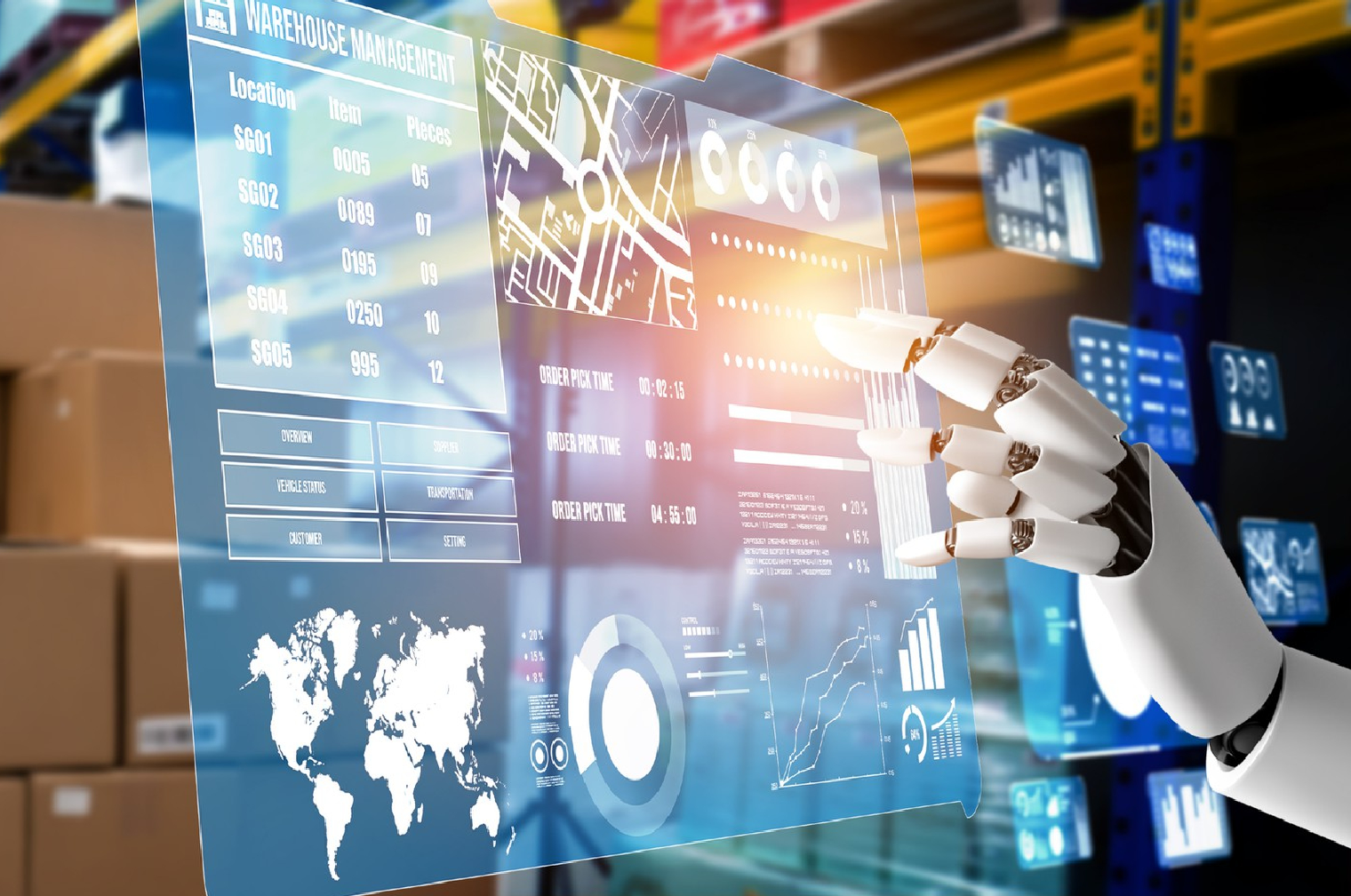
  • Warehouse Management Systems (WMS): These systems provide real-time data on inventory levels, stock movements, warehouse space utilization, and picking and packing activities.
  • Transportation Management Systems (TMS): TMS offers data on shipment status, carrier performance, delivery routes, and transportation costs.
  • Customer Relationship Management Systems (CRM): CRM systems capture valuable information about customer order history, preferences, and communication logs, providing insights into demand patterns and customer satisfaction.
  • Point-of-Sale (POS) Systems: POS systems capture real-time sales data, revealing crucial information about customer buying behavior and product popularity.
  • Internet of Things (IoT) Sensors: IoT sensors, embedded in vehicles, warehouses, and even individual packages, can provide real-time data on location, temperature, and environmental conditions, adding another layer of visibility to the supply chain.

The sheer volume and variety of this data can be daunting. However, data engineering in logistics provides the tools and techniques to transform this data chaos into valuable insights.

Streamline Your Logistics with Expert Data Engineering Solutions

Data Engineering in Logistics can optimize inventory, improve delivery accuracy, and enhance customer satisfaction. Let ViitorCloud’s expert team transform your operations with tailored solutions.

Build a Robust Foundation: Data Engineering Best Practices in Logistics

Best practices for creating a reliable supply chain analytics platform, focusing on data engineering principles to ensure accurate insights, efficient data flow, and a scalable system for logistics operations.

1. Define Your Needs/Requirements 

The first step in employing data engineering in logistics is to establish a clear vision of what you aim to achieve with your supply chain analytics platform. This clarity will guide data collection and analysis efforts, ensuring the platform meets your unique requirements.

Some common goals for supply chain optimization include:

  • Improving Inventory Management: Real-time insights into inventory levels across warehouses can help optimize stock placement and predict demand fluctuations, minimizing stockouts and overstocking.
  • Optimizing Delivery Routes: Analyzing historical traffic patterns, weather conditions, and delivery times can identify the most efficient routes for shipments, leading to faster delivery times and reduced transportation costs.
  • Enhancing Procurement Strategies: Using data on supplier performance, lead times, and material costs helps identify reliable and cost-effective suppliers, leading to a streamlined procurement process.
  • Gaining Customer Insights: Analyzing customer order history, preferences, and feedback provides a deeper understanding of demand patterns, allowing businesses to personalize offerings and improve customer satisfaction.
  • Predicting and Mitigating Disruptions: Utilizing historical data and predictive analytics can identify potential disruptions like weather events or supplier delays, allowing companies to take proactive measures and minimize their impact.

2. Design Efficient and Scalable Data Pipelines

Data pipelines are the lifelines of your supply chain analytics platform, enabling the seamless flow of data from various sources to your analytical tools. Effective data pipelines ensure that data is collected, processed, and delivered in a timely and reliable manner.

Considerations for data pipeline design:

  • Choose the Right Architecture: Decide between ETL (Extract, Transform, Load) and ELT (Extract, Load, Transform) based on your specific needs and data volume.
  • Data Transformation Techniques: Implement data cleaning, standardization, and enrichment processes to prepare data for analysis.
  • Orchestration Tools: Utilize orchestration tools like Apache Airflow to automate and schedule data pipeline tasks for smooth data flow.

3. Prioritize Data Quality

Data engineering in logistics emphasizes data quality, as inaccurate or incomplete data can lead to flawed insights and poor decision-making. Robust data quality measures ensure that your analytics platform is built on a foundation of reliable information.

Data Quality Practices:

  • Data Validation: Implement data validation rules to ensure data adheres to predefined criteria and formats.
  • Schema Enforcement: Define a clear schema (structure) for your data, ensuring consistency across different sources.
  • Data Lineage Tracking: Track the origin and transformation steps of your data, enabling you to identify potential errors or inconsistencies.

4. Choose the Right Tools and Technologies

The world of data engineering offers a vast array of tools and technologies. Selecting the right ones for your specific needs, data volume, and budget is crucial for successful data engineering in logistics. The right partner with experience and expertise can help you here. The ViitorCloud team has helped several businesses streamline their supply chain operations with data engineering.

Essential Tools and Technologies:

  • Big Data Processing: Tools like Apache Spark enable the efficient processing and analysis of large-scale data sets.
  • Data Warehousing: Cloud-based solutions like Snowflake and Amazon Redshift offer scalable storage and querying capabilities for your analytical data.
  • Data Orchestration: Platforms like Apache Airflow automate and schedule data pipelines, ensuring reliable data flow.
  • Data Visualization Tools: Tools like Tableau and Power BI allow you to create interactive dashboards and reports to effectively communicate insights.

5. Automate and Monitor

AI and automation play a vital role in data engineering and logistics. By automating data pipelines, you free up valuable resources, minimize human error, and ensure timely data flow. Continuous monitoring ensures that your data pipelines are functioning correctly and alerts you to any potential issues.

Benefits of Automation and Monitoring:

  • Resource Optimization: Automation frees up your team to focus on more strategic tasks like data analysis and model development.
  • Error Reduction: Automated processes minimize the risk of human error, ensuring consistent and reliable data flow.
  • Timely Insights: Automated data pipelines ensure that data is delivered to your analytics platform in a timely manner, enabling you to make decisions based on the most up-to-date information.

Boost Efficiency in Logistics with Data-Driven Insights

Maximize your supply chain potential with our advanced Data Engineering in Logistics services. Simplify inventory management, accelerate deliveries, and elevate customer service seamlessly.

Additional Considerations for Data Engineering in Logistics

Beyond the core best practices, several additional factors contribute to a successful data-driven supply chain:

  • Security: Data security is paramount. Implement robust security measures to protect sensitive information throughout the entire data lifecycle.
  • Scalability: Choose solutions that can handle increasing data loads as your business grows.
  • User Interface and User Experience (UI/UX): A user-friendly interface allows users to easily access data, generate reports, and gain insights without requiring extensive technical expertise.

ViitorCloud’s Expertise in Data Engineering in Logistics

ViitorCloud specializes in data engineering in logistics and can help your organization take advantage of data to optimize your supply chain. We help businesses design efficient data pipelines, implement predictive analytics models, and leverage AI-driven technologies for supply chain optimization. Our iterative approach ensures continuous improvement while adapting solutions to evolving market dynamics.

For instance:

  • ViitorCloud’s AI solutions enable real-time shipment tracking and anomaly detection.
  • By collaborating closely with clients, we co-develop innovative strategies that address specific operational challenges.

With a focus on long-term partnerships and adaptability, we empower businesses to achieve sustainable growth through data-driven insights. Contact us now to book a free consultation.

Achieve Operational Excellence in Logistics

Data Engineering in Logistics to drive smarter decisions and deliver outstanding results. Partner with ViitorCloud for solutions that transform your business.

Final Words

Hence, data engineering in logistics is transforming the way businesses manage their supply chains. With data-driven strategies and their implementation, organizations can achieve unprecedented levels of efficiency, transparency, and profitability.

As supply chains continue to grow in complexity, data engineering will become even more critical for success. ViitorCloud stands ready to guide organizations through this transformation with digital solutions that use the full potential of data engineering technologies. Take action for partnership and collaboration – contact us.

Connect with us on LinkedIn for exclusive insights and the latest evolutions in Data Engineering from ViitorCloud. Together, let us prepare for the future.

How Digital Product Engineering in Healthcare Is Driving Transformation

Continuous technological innovation is transforming every industry, and healthcare is no exception. Digital product engineering in healthcare is completely changing patient care and diagnosis.

Now, this trend is on the rise, and more and more healthcare businesses are going for digital transformation with digital product engineering. The global market for digital health is expected to reach $550 billion in the next 5 years. Adopting these technologies has accelerated post-COVID-19 along with the aging population, the rise of chronic diseases, and the increasing demand for convenient and accessible healthcare solutions.

ViitorCloud offers digital product engineering services in healthcare using technologies such as:

  • Machine Learning (ML)
  • Internet of Things (IoT) 

These technologies enable the development of sophisticated healthcare products that transform the way healthcare is delivered and managed. Let’s discuss the role of digital product engineering in healthcare, its impact on patient care, operational efficiency, and the future of the industry.

What is Digital Product Engineering in Healthcare

Digital product engineering in healthcare encompasses designing, developing, and deploying software, hardware, and IT solutions to create innovative healthcare products and services. As stated, this approach is revolutionizing the healthcare industry. It empowers providers to deliver better patient outcomes, enhance operational efficiency, and personalize the healthcare experience.

Empower Healthcare Transformation

Discover how Digital Product Engineering in Health redefines patient care and operational efficiency. Partner with us to build cutting-edge healthcare solutions tailored to your needs.

The Transformative Impact of Digital Product Engineering in Healthcare

Digital product engineering in healthcare is driving innovation across multiple facets of the healthcare ecosystem.

Which leads to:

1. Better Patient Care

Digital product engineering can enhance patient care by enabling the development of products that:

  • Empower patients: Patient portals and health apps provide patients with direct access to their medical records, test results, and treatment plans, fostering greater engagement in their healthcare journey.
  • Personalized care: AI-powered solutions analyze patient data to deliver personalized treatment recommendations, medication reminders, and tailored health insights, leading to improved adherence and health outcomes. For example, wearable devices with embedded AI algorithms can monitor patients’ vital signs in real-time, alerting healthcare providers to potential issues before they escalate.
  • Extend care beyond hospital walls: Remote patient monitoring solutions allow healthcare providers to track patients’ health remotely, reducing the need for frequent hospital visits and enabling proactive interventions. These solutions are particularly beneficial for managing chronic conditions like diabetes and heart disease.

2. Operational Efficiency

Digital transformation streamlines healthcare operations and saves costs through:

  • Optimized hospital management: Hospital management systems, powered by digital product engineering in healthcare, automate administrative tasks such as patient admission, billing, and scheduling, freeing up staff time for patient care and reducing errors.
  • Streamlined supply chain management: Digital tools track inventory levels in real-time, enabling healthcare providers to optimize inventory management, predict demand, and reduce waste, resulting in substantial cost savings.
  • Data-driven decision-making: Predictive analytics tools analyze patient data to identify population health trends and anticipate patient needs, empowering healthcare providers to make informed decisions regarding resource allocation and preventive care strategies.

3. Innovation and Collaboration

Digital product engineering in healthcare is very important for innovation, fostering collaboration between healthcare providers, technology experts, and patients to develop groundbreaking solutions.

These are as follows:

  • Accelerated research and development: Digital tools streamline clinical trials, enable faster data analysis, and facilitate collaboration between researchers, leading to accelerated drug discovery and development of innovative treatments.
  • Enhanced collaboration between healthcare providers: Secure platforms built through digital product engineering in healthcare enable seamless data sharing between healthcare providers, improving care coordination and ensuring patients receive holistic and integrated care.
  • Patient-driven innovation: Patient portals and online communities provide a platform for patients to share their experiences, provide feedback on healthcare services, and contribute to the development of patient-centric solutions.

Innovate Your Healthcare Products Today

Embrace the future with Digital Product Engineering in Health. Collaborate with ViitorCloud to deliver impactful, scalable, and patient-focused solutions.

How ViitorCloud Can Help

ViitorCloud is a leading digital product engineering company that empowers businesses to transform their ideas into innovative, scalable digital products. Our expertise in healthcare digital product engineering can help healthcare providers leverage the power of technology to develop custom healthcare applications, integrate AI and ML into healthcare solutions, modernize legacy healthcare systems, and ensure compliance and security.

By collaborating closely with clients, we co-create solutions that address specific needs while ensuring compliance with industry regulations. Our iterative approach allows for continuous improvement based on feedback and changing market dynamics.

Recently, we created a PEG Tube VR simulation for staff training. It allows staff to practice/train in a realistic 3D simulation that will allow them to understand and perform better in real-world cases. Check the full video here.

Drive Healthcare Innovation with Us

Leverage our expertise in Digital Product Engineering in Health to transform your business and enhance outcomes. Let’s create tomorrow’s healthcare innovations together.

The Bottomline

Digital product engineering in healthcare is transforming the whole industry, and it enables the development of innovative solutions that enhance patient care, improve operational efficiency, and increase collaboration. As technology continues to develop, digital product engineering in healthcare will play an increasingly pivotal role in shaping the future of healthcare, empowering providers to deliver patient-centric, data-driven, and accessible care.

With partners like ViitorCloud offering tailored solutions, healthcare organizations can confidently embrace this digital revolution. For partnership and collaboration, contact us at support@viitorcloud.com.

Join us on LinkedIn for exclusive insights and the latest evolutions in Digital Product Engineering from ViitorCloud! Let’s prepare for the future together!

Legacy Application Modernization in the Banking Sector: Need, Advantages, Steps

With incessant development in the tech world, banks have to adopt new technologies to offer secure services and fulfill customer expectations. This is why legacy application modernization in the banking and financial services industry (BFSI) is a very important aspect.

Legacy systems, often built on outdated technologies and architectures, are becoming increasingly difficult and expensive to maintain. They struggle to keep up with the demands for real-time processing, seamless customer experiences, and robust security. Data from McKinsey reveals that medium-sized banks can potentially save $100 million by modernizing their legacy systems.

Legacy application modernization in banking is not just about upgrading technology; it’s about future-proofing businesses. And that’s what we do at ViitorCloud – We make businesses future-ready with our digital transformation services. Here, we will discuss legacy application modernization in banking, its importance, and how ViitorCloud’s legacy application modernization services transform banking services.

What is Legacy Application Modernization in Banking?

FYI, legacy application modernization in banking is the process of transforming outdated software and hardware systems to meet current technological standards and customer expectations. These systems often built decades ago, have served as the backbone of banking operations, but they are now struggling to keep pace with the demands of the digital age.

They are typically characterized by monolithic architectures, outdated programming languages, and inflexible infrastructure, making them difficult to maintain, integrate, and scale.

Legacy application modernization in banking can involve various strategies, including:

  1. Replacing the entire system with a new, modern solution: This approach is often the most expensive and disruptive but offers the most comprehensive transformation.
  2. Migrating the system to the cloud: This can provide greater flexibility, scalability, and cost-effectiveness.
  3. Re-architecting the system using microservices: This approach breaks down the monolithic system into smaller, independent components that can be updated and deployed more easily.
  4. Updating specific components or functionalities of the system: This can be a more cost-effective way to address specific pain points or improve certain areas of the system by AI integration or better UI/UX.

The specific approach taken will depend on the unique needs and circumstances of each bank. However, the core objective is to increase the security, efficiency, customer experience, and agility of the banking system while reducing overall costs.

Modernize Your Banking Applications Today

Transform outdated systems into agile, secure, and scalable solutions. Embrace the future with our Legacy Application Modernization services tailored for the banking sector.

The Need for Legacy Application Modernization in Banking

The banking industry is facing increasing pressure to adapt to the digital age. Customers are demanding more personalized, convenient, and secure banking experiences. A report by PWC found that 61% of banking customers use digital channels weekly for most of their banking needs. Banks that fail to meet these expectations risk losing customers to more agile competitors.

Several factors are driving the need for legacy application modernization in banking, including:

1. Changing Customer Expectations

Customers today expect banks to provide seamless, intuitive, and personalized experiences across all channels, including online, mobile, and in-branch. Legacy systems often struggle to deliver this level of service.

2. Fintech

Fintech companies are disrupting the banking industry by offering innovative products and services that are often more user-friendly and cost-effective than those offered by traditional banks. Banks need to modernize their systems to compete with these new entrants.

3. Increasing Regulatory Pressure

Banks are facing increasing regulatory scrutiny, particularly in areas such as data security and privacy. Modern systems can help banks better comply with these regulations.

4. The Need for Agility and Innovation

Banks need to be able to respond quickly to changing market conditions and customer needs. Legacy systems often lack the agility and flexibility required for rapid innovation.

Read More: Legacy Application Modernization Is Critical in 2025

Advantages Legacy Modernization: Win-Win Strategy for Customers and BFSI

Legacy application modernization in banking is not just about improving the bank’s bottom line; it’s about creating a win-win situation for both the bank and its customers.

By modernizing its systems, a bank can provide its customers with the following benefits:

For Customers

Modern banking applications are designed with the user in mind, offering intuitive interfaces, personalized features, and seamless omnichannel experiences. Customers can access their accounts, make payments, and manage their finances more easily and conveniently.

Modern systems enable faster transaction processing, quicker loan approvals, and real-time account updates, enhancing the overall speed and efficiency of banking services. Customers no longer have to wait in long queues or endure lengthy processing times.

Modern systems incorporate advanced security features, such as encryption and multi-factor authentication, to protect customer data from cyber threats and fraud. This instills confidence in customers, knowing their financial information is secure.

Modern systems allow banks to introduce innovative products and services, such as personalized financial advice, mobile wallets, and peer-to-peer payment options. These offerings cater to the evolving needs and preferences of today’s tech-savvy customers.

For BFSI

A superior customer experience translates into increased customer satisfaction and loyalty, leading to higher customer retention rates and attracting new customers. A modern and user-friendly digital banking platform can be a key differentiator in a competitive market.

Automation and streamlined processes result in significant cost savings, allowing banks to allocate resources to innovation and growth initiatives. A modern core banking system can reduce manual processing, paper-based workflows, and the need for expensive legacy system maintenance.

Modern systems provide better tools for risk assessment, fraud detection, and compliance monitoring, mitigating potential financial and reputational risks. They can help banks meet evolving regulatory requirements more effectively.

Modern systems enable banks to collect and analyze vast amounts of data, providing valuable insights into customer behavior, market trends, and operational performance. This data-driven decision-making can lead to more effective marketing campaigns, product development strategies, and risk management practices.

Legacy application modernization in banking represents a strategic approach that creates a mutually beneficial relationship between the bank and its customers.

Upgrade Legacy Systems with Ease

Drive innovation and efficiency in your banking operations. Explore how Legacy Application Modernization ensures seamless technology upgrades while minimizing risks.

Steps to Modernize Legacy Banking Applications

Modernizing legacy applications is a complex undertaking that requires a strategic and well-defined approach.

Here are some essential steps:

Conduct a comprehensive assessment of existing systems, identifying areas that need improvement. This evaluation should consider business drivers, IT drivers, and the alignment of legacy applications with the bank’s overall strategy.

Pinpoint specific problems within the legacy system that hinder user experience, security, or efficiency. Identify both strengths and weaknesses of the existing software.

Choose from several modernization strategies, including full software replacement, incremental modernization, adopting a service-oriented architecture (SOA), or cloud migration.

Select a technology stack that aligns with the bank’s needs and objectives. Partner with experienced IT professionals like ViitorCloud as we have expertise in Agile and DevOps practices.

Implement software engineering best practices to ensure the new system is maintainable and scalable. Develop a plan for employee training and adoption of the modernized system.

Prioritize modernization efforts in areas such as data governance and management, data migration and transformation, IT architecture optimization, and the implementation of DevOps/SecOps practices.

How ViitorCloud Can Help

We have more than 14 years of experience and expertise in providing digital transformation to BFSI and other industries. We offer specialized services to help banks successfully modernize their legacy systems.

How we ViitorCloud can help your bank:

  • Strategic Planning and Assessment: We help banks define their modernization roadmap, conducting comprehensive assessments of existing systems and aligning technology solutions with business goals.
  • Cloud Migration Solutions: We help banks transition seamlessly from on-premise systems to cloud-based platforms using secure methodologies.
  • Application Modernization: Our team specializes in modernizing legacy applications using various approaches, including re-platforming, refactoring, and rewriting applications for cloud-native environments.
  • API Integration: The company enables interoperability between legacy systems and modern applications through robust API frameworks.
  • Data Analytics and AI/ML Integration: ViitorCloud integrates advanced data analytics and AI/ML capabilities into modernized banking systems, enabling data-driven insights and personalized customer experiences.
  • Data Security and Compliance: We ensure the security and compliance of modernized systems, implementing robust security measures and adhering to industry regulations.

With ViitorCloud’s partnership and guidance, banks can overcome the challenges of legacy application modernization, accelerate their digital transformation journey, and open doors to new opportunities for growth and innovation. Contact us for a complimentary consultation on how we can modernize your legacy tech system.

Unlock the Potential of Modern Banking Technology

Revitalize your legacy applications to meet modern demands. Let us help you streamline operations with expert Legacy Application Modernization solutions.

Conclusion

Legacy application modernization in BFSI is not merely a technology upgrade; it’s a strategic imperative for survival and success in the dynamic financial market. With legacy modernization, banks can improve customer experiences, streamline operations, reduce costs, and mitigate risks.

 However, this journey requires careful planning, expert guidance, and a trusted technology partner. We, ViitorCloud, with our industry knowledge and commitment to customer success, empower banks to adopt new technology with proper digital transformation strategies. So, click here to contact us now.

Join us on LinkedIn for exclusive insights and the latest developments in legacy application modernization from ViitorCloud! Let’s prepare for the future together!

How AI Agents in Healthcare Are Transforming Medical Services

Integrating AI Agents in Healthcare is completely transforming the medical industry. They bring better efficiency, accuracy, and innovation, and enhance healthcare services. As of 2025, the global market for AI agents is valued at $7 billion and is projected to reach 47 billion by 2030. This shows the quick adoption of these technologies across healthcare systems worldwide.

From personalized treatment plans to chatbots, there are many use cases and applications of AI agents in healthcare. They help provide patient-centric and cost-effective healthcare services.

ViitorCloud helps healthcare providers build customized healthcare AI agents. Does your healthcare institution need an AI agent? Let’s discuss what healthcare AI agents are, their applications, their advantages, and how we can make you future-ready.

What Are AI Agents for Healthcare?

AI Agents are self-governing software programs that perceive their environment, make decisions, and act to achieve specific goals. In simple words, they perform selected tasks autonomously using machine learning, computer vision, and natural language processing technologies. They are designed to mimic human cognitive functions such as learning, problem-solving, and decision-making.

In healthcare, these agents analyze vast datasets, interact with patients or clinicians, and make decisions to improve care delivery. They act as virtual assistants, diagnostic tools, and operational optimizers to enable healthcare providers to focus on patient care while automating repetitive tasks.

Check: Innovative AI Use Cases in Healthcare Industries

Transform Patient Care with AI Agents in Healthcare

Enhance efficiency, reduce errors, and improve patient outcomes with our tailored AI solutions.

Functions of AI Agents in Healthcare

AI Agents in Healthcare are transforming the industry by automating tasks, offering better diagnosis, and personalizing patient care.

Some of their key functions include:

AI-Powered Medical Diagnosis 

By analyzing patient symptoms, medical history, and test results, AI Agents can assist healthcare professionals in diagnosing medical conditions. An example would be an AI Agent analyzing a patient’s symptoms and suggesting potential diagnoses for a physician’s consideration.

Personalized Treatment Recommendations

AI Agents analyze patient data, genetic information, and medical history to create personalized treatment plans according to individual needs and risks. For example, an AI Agent could recommend specific therapies based on a patient’s genetic predisposition to a particular disease.

Administrative Automation

Employing AI agents can automate tasks like appointment scheduling, billing, and medical transcription. This speeds up such tasks with automation processes while employees can focus on other work that needs more attention.

Remote Patient Monitoring

AI Agents enable continuous monitoring of patient’s vital signs, medication adherence, and other health indicators remotely through wearable devices and sensors. This allows for early detection of potential issues and timely interventions. For example, an AI Agent could alert a physician if a patient’s blood pressure readings consistently fall outside a healthy range.

Tampa General Hospital uses an AI-powered tool called DAX Copilot to convert patient interactions into clinical summaries automatically and save time for clinicians.

Read: How ViitorCloud is Pioneering Digital Transformation in Healthcare 

Unlock the potential of AI to revolutionize your healthcare operations today.

Enhance efficiency, reduce errors, and improve patient outcomes with our tailored AI solutions.

What Are the Applications and Use Cases of AI Agents in Healthcare?

AI Agents in Healthcare are being applied across a wide range of areas, including:

Virtual Health Assistants

AI-powered virtual assistants provide patients with 24/7 access to medical guidance, appointment scheduling, and medication reminders. This improves patient engagement and adherence to treatment plans. A patient can interact with a virtual assistant to book an appointment or get answers to basic medical questions at any time.

Medical Imaging Analysis and Diagnosis

AI Agents in healthcare can analyze medical images like X-rays, CT scans, and MRIs to detect abnormalities and assist in early disease diagnosis. For example, AI Agents could help radiologists identify potentially cancerous lesions in mammograms, or they can identify tumors with greater precision than traditional methods.

Personalized Medicine

AI Agents help tailor treatments to individual patients based on their genetic makeup, lifestyle, and other factors to improve treatment effectiveness and reduce side effects. An AI Agent could use a patient’s genetic information to predict their response to a particular medication and recommend the most appropriate dosage.

Treatment Planning and Chronic Disease Management

A healthcare AI Agent can create personalized treatment plans based on a patient’s individual characteristics and medical history. It also considers potential risks and benefits. For example, they can suggest the most effective chemotherapy regimen for a cancer patient based on their specific tumor type and genetic profile.

Drug Discovery and Development

Customized AI Agents can speed up the process of drug discovery and development by analyzing vast amounts of data to identify potential drug candidates and predict their efficacy. With proper analysis of clinical trial data, they can identify patterns and predict the success rate of a new drug.

Mental Health Support

AI-powered chatbots and virtual assistants provide mental health support by offering resources and coping strategies. It provides an early intervention for those in need. Patients who don’t have anyone to talk to can interact with an AI chatbot to manage anxiety or access helpful resources for dealing with stress.

Administrative Efficiency

AI Agents streamline administrative tasks such as medical billing and appointment scheduling. It also helps in managing electronic health records. This reduces administrative burdens and improves operational efficiency.

Optimize Healthcare with Cutting-Edge AI Agents

Streamline processes, deliver precision care, and stay ahead in the healthcare industry.

Advantages of Implementing Healthcare AI Agents

The application of AI agents in healthcare can be beneficial for both patients and doctors or healthcare providers.

Here’s how the implementation of AI agents for healthcare offers many advantages:

Prior Prevention and Detection

As discussed earlier, AI Agents can identify potential health risks earlier. This allows for timely interventions and preventive measures.

Improved Accuracy

AI Agents analyze data with speed and accuracy. It helps to make more precise diagnoses and treatment plans.

Simplified Administrative Tasks

The use of AI agents can automate administrative tasks, and this frees up healthcare workers’ time for patient care.

Around-the-Clock Patient Support

AI-powered chatbots and virtual assistants provide 24/7 support and guidance to patients. This improves their access to healthcare information.

Remote Patient Monitoring

As already discussed, AI agents enable continuous remote monitoring of patients. It allows for timely intervention and personalized care.

Decreased Healthcare Costs

By improving efficiency and reducing errors, AI Agents can significantly lower healthcare costs.

Also Read: How AI is Helping Healthcare Reduce Costs and Improve Efficiency

Main Components of AI Agents in Healthcare

Now that it is established how healthcare AI agents can make healthcare more efficient, it is important to understand its key components.

Here are the main components of artificial intelligence agents that power their functions: 

Natural Language Processing (NLP)

NLP enables AI Agents to understand and interpret human language, allowing them to interact with patients and analyze text-based medical data.

Machine Learning (ML)

ML algorithms allow AI Agents to learn from data, identify patterns, and make predictions. This is crucial for tasks like disease diagnosis and treatment planning.

Collaborative Interaction

AI Agents are designed to interact seamlessly with healthcare professionals, patients, and other systems to provide comprehensive care.

Computer Vision

AI Agents with computer vision capabilities can analyze medical images such as X-rays and MRIs to assist in diagnosis.

Planning and Decision-Making

AI Agents use sophisticated algorithms to analyze data, assess risks, and make informed decisions regarding patient care. 

Also Check: Artificial Intelligence in Healthcare: How AI is Utilized in the Healthcare Industry 

Empower Your Practice with AI Agents in Healthcare

Leverage innovative AI agents to redefine patient care and operational excellence.

How to Build an AI Agent for Your Healthcare

There are multiple use cases and applications of AI agents in healthcare. For instance, they can be used as virtual assistants to provide better patient experiences or improve diagnostic outcomes. So, you need to question yourself about why you really need an AI agent and how it can be built with responsible development practices.

Here’s what you need to do:

You first need to identify the specific healthcare challenges you want to address with an AI Agent and AI integration. This should define your needs and the AI agent’s role in healthcare services.

Next, you need to select an AI agent service provider like ViitorCloud that can understand your needs and create customized healthcare AI agents according to your needs.

Collect relevant medical datasets from EHRs, imaging systems, or IoT devices for training and ensure they are clean, accurate, and compliant with privacy regulations.

Now, with the guidance of ViitorCloud, you need to select appropriate AI technologies like NLP, ML, and computer vision based on your needs and the role of healthcare AI agents.

Build and train the AI model using the chosen technologies and prepared data.

Deploy the AI Agent and continuously monitor its performance, making adjustments as needed.

Redefine Medical Services with ViitorCloud’s AI Expertise

Adopt AI agents in healthcare for smarter, faster, and more reliable medical solutions.

ViitorCloud Has Ready-to-Customize and Deploy AI Agent Solutions

We are an expert digital transformation company that offers ready-to-customize and deploy AI Agent solutions for healthcare. Our solutions are designed to address a wide range of healthcare challenges, from automating administrative tasks to providing an AI chatbot.

We empower AI Agents with technologies like NLP, ML, and computer vision to deliver efficient, accurate, and scalable solutions. We develop industry-specific AI agents with responsible AI practices and provide end-to-end support.

Contact our team right now to learn how our expertise can help you enhance healthcare services.

Check Out Our Success Stories

Bottom Line

Hence, AI Agents in Healthcare are transforming the industry by automating tasks, enhancing diagnosis, personalizing patient care, and improving operational efficiency. As AI technology continues to advance, we can expect even more innovative applications of AI Agents in Healthcare. With partners like ViitorCloud offering customized AI solutions, the future of healthcare looks more efficient and patient-focused.

Join us on LinkedIn for exclusive insights and the latest developments in Artificial Intelligence from ViitorCloud! Let’s prepare for the future together!

Generative AI Trends for SMBs to Watch in 2025

In the last few years, we have realized the power of AI and how generative AI can transform businesses. According to recent statistics, the adoption of Generative AI trends has increased from 55% in 2023 to 75% in 2024 among business leaders.

Moreover, Generative AI has the potential to contribute $2.6 trillion to $4.4 trillion annually to the global economy, which shows its transformative potential. Generative AI is expected to redefine industries, boost productivity, and create new opportunities for businesses. So, in 2025 and the coming years, businesses must stay ahead of the curve by understanding the latest Generative AI Trends.

ViitorCloud is dedicated to empowering businesses like yours to leverage the power of Generative AI. Understanding generative AI trends and their implications on businesses is important.

Here are the generative AI trends CXOs and decision-makers in small businesses need to know:

1. Agentic AI

Vertical AI agents can handle your daily workflows autonomously and free up your time and resources for more strategic initiatives. It is all about creating autonomous AI agents capable of tackling complex tasks without constant human intervention.

Think of it like this: You have a virtual assistant who can not only schedule appointments and send emails but also analyze data, generate reports, and even interact with customers on your behalf. This level of automation can significantly increase productivity and efficiency, allowing you to focus on what truly matters: growing your business.

As Agentic AI continues to evolve, expect to see:

  • Sophisticated Frameworks: Tools and platforms specifically designed for building and deploying Agentic AI applications will become more prevalent.
  • New Job Roles: The rise of Agentic AI will create new job opportunities for professionals skilled in developing and managing these intelligent agents.
  • Increased Adoption: Businesses across various industries will embrace Agentic AI to streamline operations and unlock new possibilities.

Read: Why Legacy Application Modernization Is Critical in 2025

2. AI Infrastructure

It is obvious that building and training powerful Generative AI models requires robust infrastructure. As models become larger and more complex, traditional computing resources may not be enough. This is where specialized AI infrastructure comes into play.

Key developments in AI Infrastructure to look out for:

  • GPU-as-a-Service: Access to powerful GPUs (Graphics Processing Units) will become easier and more affordable through cloud-based platforms, allowing businesses to train and run AI models without investing in expensive hardware.
  • Inferencing Compute Engines: These specialized engines will optimize the process of accessing and using large language models (LLMs), ensuring fast and efficient inference (getting outputs from the model).

So, as a business owner, you don’t need to build a massive data center to use the power of Generative AI. Emerging artificial intelligence infrastructure solutions will provide access to the necessary resources on demand, which makes it more accessible for businesses of all sizes.

3. Large Models

The trend towards bigger and more powerful Generative AI models is set to continue in 2025. We are talking about LLMs and Large Vision Models with billions, and eventually trillions, of parameters. These large models have the potential to perform incredibly complex tasks, but they also require significant computational power and data to train.

We expect to see a race among companies to develop and release even larger and more capable models, both in the open-source and paid domains.

For businesses, the availability of these advanced models will open new doors of possibilities for innovation and problem-solving.

Businesses will be able to leverage these models for tasks like:

  • Analyzing massive datasets
  • Developing new products and services

4. AI Edge Devices

Edge computing brings AI processing closer to the source of data. It reduces latency and enables real-time decision-making. In 2025, we expect to see a rise in AI Edge Devices specifically designed for Generative AI applications. These devices, like the Nvidia Jetson Orin, pack the power to run sophisticated AI models locally without relying on constant cloud connectivity.

Why this is important for businesses:

  • More Privacy: Processing data locally can address privacy concerns associated with sending sensitive information to the cloud.
  • New Applications: Edge AI will enable new applications in areas like robotics, autonomous vehicles, and personalized healthcare.

Also Read: Reduce Carbon Footprint with AI and Automation in Energy & Utilities Industry

5. Small Models

While large models grab the headlines, the development of efficient, small models is equally important. These models are designed to run on devices with limited resources, such as smartphones and IoT devices.

Benefits of small models:

  • Accessibility: They democratize access to AI, making it possible to deploy AI-powered solutions on a wider range of devices.
  • Speed: Small models often provide faster inference times, which is crucial for real-time applications.

Microsoft’s phi-1 is a prime example of a small yet powerful language model.

ViitorCloud can use these small models to empower businesses with AI-powered solutions that are more scalable, cost-effective, and adaptable to various environments.

6. Responsible AI and Security

As Generative AI becomes more prevalent, ensuring its responsible and ethical use is important. 2025 will see a focus on strengthening AI security.

Focusing through:

  1. Regulations: Governments and regulatory bodies will introduce frameworks to govern the development and deployment of AI models, addressing concerns related to bias, fairness, and data privacy.
  2. Ethical Considerations: The industry will prioritize developing and implementing ethical guidelines for AI, ensuring that models are used responsibly and do not perpetuate harmful biases.

7. Open Source Models

The open-source movement is gaining traction in the Generative AI space. Companies like Nvidia are partnering with others to create linguistic models in various languages and making them openly available.

This trend towards open-source Generative AI will:

  • Accelerate Innovation: Open access to models fosters collaboration and allows developers to build upon each other’s work, driving rapid advancements in the field.
  • Reduce Barriers to Entry: Open-source models make Generative AI more accessible to startups and businesses with limited resources.

Check: How Blockchain in Supply Chain Can Revolutionize Operations

8. AGI

Artificial General Intelligence (AGI), the concept of AI that can perform any intellectual task that a human can, remains a long-term goal. However, the advancements in Generative AI are bringing us closer to this reality.

What to expect in 2025:

  • Continued Research: Expect to see significant investments in AGI research, leading to the development of more sophisticated and capable AI models.
  • Early Applications: While true AGI may still be some time away, we may see the emergence of early applications that demonstrate aspects of general intelligence.

ViitorCloud Is Your Trusted Partner for Generative AI Solutions

The development and innovations in Generative AI present new opportunities for small businesses to transform their operations, improve customer experiences, and unlock new growth avenues.

However, it is better to have an expert like ViitorCloud for guidance and support. We provide generative AI solutions to the needs of small businesses.

Our team of experts can help you:

  • Identify the right AI solutions for your business challenges.
  • Develop and deploy custom AI applications.
  • Integrate AI seamlessly into your existing workflows.
  • Ensure the responsible and ethical use of AI in your organization.

Contact us to learn how we can empower your small business to become future-ready in the age of Generative AI.

Read our success stories to learn more.

Conclusion

Generative AI is going to witness explosive growth in 2025. By staying informed about these trends, businesses can position themselves to take advantage of the transformative power of this technology. Embracing these advancements will not only enhance productivity and efficiency but also unlock new opportunities for innovation and growth.

ViitorCloud stands ready to be your trusted partner in this journey. Our team of experts can guide you in identifying the right AI solutions, developing and deploying custom AI applications, seamlessly integrating AI into your workflows, and ensuring the responsible and ethical use of AI within your organization. So, make the right call now.

Connect with us on LinkedIn for unique insights and the latest updates on Generative AI from ViitorCloud! Together, let’s get ready for the future!

Reduce Carbon Footprint with AI and Automation in Energy & Utilities Industry

The pressure is on for businesses to confront the rising threat of global warming. Consumers, regulators, and investors are all paying attention to the environmental impact of companies across every industry.

AI and automation in energy are emerging as powerful tools to help utility companies as they can offer insight into a company’s carbon footprint and find ways to cut costs, accelerate sustainable transformation, and save money. A recent report from the BCG suggests that AI could help mitigate 5% to 10% of global greenhouse gas (GHG) emissions by 2030.

Studies also show that using AI in business sustainability could generate $1.3 trillion to $2.6 trillion in value through new revenue and cost savings by 2030. Want to learn how? Let’s explore how AI and automation can make your business more sustainable and profitable.

The Role of AI and Automation in Energy Optimization

With 92% of executives in the energy sector planning to digitize operations through AI-powered automation by 2026, the momentum for change is undeniable.

Here’s how AI and automation are revolutionizing the energy sector by enabling utilities to:

Monitor Emissions 

AI-powered systems can automatically track emissions across the entire value chain, providing real-time insights into a company’s carbon footprint. Companies can gain a comprehensive understanding of their environmental impact by collecting data from various sources, including operations, travel, IT equipment, and suppliers. Artificial intelligence can further enhance this process by estimating missing data and determining the certainty of the results.

Predict Emissions

AI algorithms can forecast future emissions based on historical data, current reduction efforts, and future energy demand. This predictive capability allows companies to set realistic emission reduction targets, adjust strategies as needed, and track progress toward a more sustainable future.

Reduce Emissions

AI can optimize operations to minimize energy consumption and waste, thereby reducing carbon emissions. By analyzing data from sensors, smart meters, and other sources, AI can identify areas for improvement, suggest efficiency measures, and automate processes to minimize environmental impact.

Optimize Your Energy Operations Today!

Discover how our AI and Automation in Energy solutions help reduce carbon footprints and improve efficiency. Partner with us to transform your energy and utilities strategy.

Use Cases of AI and Automation in Energy & Utilities Industry

AI and automation are revolutionizing energy production and distribution across the value chain, offering solutions for an efficient and sustainable energy future.

Here are some key use cases:

1. Predictive Maintenance

AI algorithms analyze data from sensors and other sources to predict equipment failures before they occur. Integration of AI in energy for proactive maintenance reduces downtime, minimizes energy waste, and extends the lifespan of assets. For instance, an oil and gas company can implement a machine-learning-based system to predict maintenance problems. This can reduce carbon emissions and save costs.

2. Renewable Energy Integration

AI and automation play a crucial role in integrating variable renewable energy sources like wind and solar power into the grid. By forecasting renewable energy output based on weather patterns and historical data, AI algorithms can ensure a seamless transition between different energy sources, maximizing the use of renewables and minimizing reliance on fossil fuels.

3. Smart Grid Management

AI-powered smart grids dynamically manage energy distribution based on real-time demand and supply data, optimizing energy flows and reducing waste. This enables utilities to integrate more renewable energy sources, improve grid stability, and reduce the overall carbon footprint of the energy sector. In the U.S., over 95 million smart meters have been installed since 2000 for more efficient grid management.

4. Energy Efficiency Optimization

AI algorithms analyze data from energy production operations to identify areas for improvement, suggesting measures to enhance efficiency and reduce carbon emissions. AI-based process controls eliminate waste and reduce energy intensity, which helps in reducing carbon emissions and in cost savings.

5. Carbon Footprint Monitoring and Reduction

AI-powered tools enable companies to track their carbon emissions across the value chain, providing insights to identify areas for improvement and implement targeted reduction strategies. Companies can analyze data from operations, corporate travel, IT equipment, and their entire supply chain, including suppliers, transporters, and even downstream users of their products.

6. Customer Engagement and Personalization

AI can personalize energy consumption recommendations, empowering customers to manage their energy usage and reduce their carbon footprint. AI integration can provide tailored insights into energy consumption patterns, suggest efficiency measures, and incentivize sustainable behavior.

7. Automation of Routine Tasks

Many operational processes in data centers, such as server upgrades, scheduling, monitoring, and maintenance, are repetitive and error-prone. AI-powered process automation can automate these tasks, freeing up human resources for more strategic initiatives and improving overall efficiency. Examples include using robots for server disposal, decommissioning, and destruction and for remote monitoring to detect irregularities and security risks.

8. Digital Twin Technology

Digital twins, virtual representations of physical assets, offer a powerful tool for optimizing data center operations and reducing their environmental impact. By collecting data from all sources and analyzing it with AI and ML, digital twins enable real-time adjustments, predictive maintenance, and energy optimization, leading to reduced carbon emissions and operational costs.

Lead the Way in Sustainable Energy!

Leverage AI and Automation in Energy to make a lasting impact on sustainability. Let us help you streamline operations and reduce your environmental footprint.

ViitorCloud’s Expertise in AI and Automation for the Energy and Utilities Industry

We are a technology consulting firm with expertise in AI and automation solutions for various industries, including the energy and utilities sector. Our approach focuses on using advanced technologies like AI, blockchain, cloud, and data analytics to optimize energy management, enhance sustainability, and drive digital transformation for our clients.

We developed a centralized web portal for Co4 Cloud, an energy management organization in Liechtenstein. This platform leverages AI and automation to centralize energy and resource management, provide real-time monitoring and reporting, enable dynamic object creation, facilitate accurate billing, and track carbon emissions. The platform’s modular architecture ensures scalability and ease of maintenance.

You can contact us to incorporate AI and automation in your business and pave the way for a sustainable future.

Achieve Green Energy Goals with AI!

Empower your energy business with our innovative AI and Automation in Energy solutions. Take the first step towards efficiency and sustainability.

Conclusion

The future of the energy and utilities sector hinges on the successful integration of automation in energy processes. AI and automation offer a powerful toolkit for reducing carbon emissions, optimizing energy consumption, and enhancing the reliability and sustainability of energy operations. Companies like ViitorCloud are leading this transformation by providing tailored solutions that address industry-specific challenges while promoting eco-friendly practices.

As the industry continues to evolve, adopting these technologies will become increasingly crucial for utilities to remain competitive, meet regulatory requirements, and contribute to a cleaner, more sustainable energy future. Join us on LinkedIn for exclusive insights and updates from ViitorCloud! Let’s connect and prepare for the future together!


Frequently Asked Questions 

AI can optimize energy usage, predict demand, manage renewable energy integration, and streamline logistics, reducing emissions by up to 10% in certain sectors.

AI enhances grid management, predicts maintenance needs, forecasts energy demand, and integrates renewable energy sources for efficient and sustainable utility operations.

Automation optimizes processes, reduces waste, and lowers energy consumption in industries like manufacturing and logistics, cutting emissions by up to 15%.

AI-powered systems like smart thermostats and lighting adjust usage based on real-time data, saving up to 40% in energy costs for homes and businesses.

Why Legacy Application Modernization Is Critical in 2025

The last decade taught us that in order to thrive in the digital world, every business must have a website and an app. But today, having an outdated application is a readiness for failure. So, legacy application modernization has become very crucial.

This is not only about the IT industry. Businesses across all industries are realizing this fact and modernizing their apps according to the trends. For instance, a report states that 78% of organizations are planning to use artificial intelligence to support their legacy application modernization efforts.

Here, we are going to discuss the important aspects of legacy application modernization and how ViitorCloud’s expertise in this field can make businesses future-ready.

What is Legacy Application Modernization?

A legacy application is any software system that, despite still being in use, has become outdated and no longer meets the needs of the business.

These systems are often characterized by:

  1. Outdated technology stacks: COBOL, C, Visual Basic, .NET, Delphi, and Fortran are common examples.
  1. Monolithic architecture: Making them inflexible and difficult to update.
  1. High maintenance costs: Due to the complexity and lack of skilled personnel to manage them.
  1. Security vulnerabilities: They may not be compatible with modern security protocols.
  1. Integration challenges: Making it difficult to connect with newer systems and data sources.

Legacy application modernization is the process of updating and transforming these outdated systems to align with current technologies and business needs.

This might involve:

  • Rehosting: Moving the application to a new platform, like the cloud.
  • Replatforming: Migrating to a new runtime platform with minimal code changes.
  • Refactoring: Restructuring and optimizing the existing code.
  • Rearchitecting: Significantly altering the code to adopt a new architecture, like microservices.
  • Rebuilding: Redesigning or rewriting the application from scratch.
  • Replacing: Completely replacing the legacy system with a modern solution.

Modernize Your Legacy Systems Today

Upgrade your outdated applications and unlock new possibilities. Discover how ViitorCloud’s Legacy Application Modernization Solutions can transform your business for 2025 and beyond.

Why is Legacy Application Modernization Important?

The new business era demands agility, scalability, and resilience. Legacy applications, with their inherent limitations, pose a significant threat to achieving these goals.

Here’s why modernization is super important today:

1) Reduce Maintenance Costs 

Legacy systems are notoriously expensive to maintain. Organizations often pour vast sums of money into keeping these systems afloat, diverting resources from innovation and growth. Modernization helps to reduce these costs by simplifying the IT infrastructure and using more efficient technologies.

2) Security and Compliance 

Outdated systems are riddled with security vulnerabilities, making them prime targets for cyberattacks. Modernization allows organizations to implement the latest security protocols and ensure compliance with industry regulations, safeguarding their data and reputation.

3) Performance and Agility

Legacy systems are often slow, clunky, and inflexible, hindering productivity and stifling innovation. Modernization results in faster response times, improved scalability, and greater agility, enabling organizations to respond quickly to market changes and customer demands.

4) Customer Experience

In the digital age, customer experience is paramount. Legacy systems, with their outdated interfaces and limited functionality, can lead to frustration and dissatisfaction among customers. Modernization allows organizations to deliver seamless, personalized experiences across all channels, boosting customer loyalty and driving revenue growth.

5) Empower Employees

Outdated software can lead to frustration and decreased productivity among employees. Modernization equips employees with the tools they need to work efficiently and effectively, boosting morale and driving better business outcomes.

Seamlessly Integrate and Modernize

Stay ahead in 2025 by streamlining your systems. Explore ViitorCloud’s expertise in Legacy Application Modernization to drive efficiency and innovation.

The Legacy Application Modernization Process

Modernizing legacy applications is a complex undertaking that requires a strategic and well-planned approach. We, ViitorCloud, have been providing our legacy application modernization services to businesses.

Our experience of working with businesses across various industries allows us to design a customized legacy app modernization.

Here’s ViitorCloud’s approach to legacy application modernization:

We begin by thoroughly assessing your existing IT infrastructure, identifying the legacy applications that need to be modernized, and prioritizing them based on their business criticality and potential impact. Define clear business goals, objectives, and success metrics for the modernization initiative.

We determine the most suitable modernization approach for each legacy application, considering factors such as cost, complexity, risk, and desired outcomes. This might involve rehosting, re-platforming, refactoring, rearchitecting, rebuilding, or entirely replacing the system.

Then we clearly define the scope of the modernization project, outlining the specific features, functionalities, and components to be modernized. Prioritize simplicity and functionality, focusing on the most essential features and streamlining the architecture to enhance maintainability and performance.

Next, we carefully evaluate and select the appropriate technology stack for the modernized application, considering factors such as scalability, flexibility, security, and future readiness. Consult with experts and choose technologies that align with your current needs and future advancements.

We assemble a skilled and experienced team comprising IT professionals, operations leaders, and department heads to oversee the modernization process. Establish clear coding standards, internal processes, and thorough documentation to ensure maintainability and future growth.

Develop a realistic timeline for the modernization project, breaking down the process into manageable phases and defining clear success metrics for each stage. Recognize that modernization is an iterative process that requires careful planning, execution, and ongoing monitoring.

Plan for the training and adoption of the modernized application by end-users, leveraging tools like digital adoption platforms (DAPs) to provide guidance, support, and interactive onboarding. Allocate a budget for employee training and regular system updates to ensure the long-term success of the modernization initiative.

This is how we make businesses relevant and prepare them for the future.

Future-Proof Your Business

Don’t let legacy systems hold you back. Partner with ViitorCloud for tailored Legacy Application Modernization Solutions that empower growth and scalability.

Legacy Application Modernization Is Not Easy 

While the benefits of Legacy Application Modernization are undeniable, the journey is not without its challenges.

Being aware of these potential roadblocks and having strategies to overcome them is crucial for success:

Resistance to Change

One of the biggest hurdles is resistance from employees accustomed to the old ways of working. To overcome this, organizations need to communicate the benefits of modernization clearly and involve employees in the process, ensuring they feel heard and valued. Providing comprehensive training and support is essential to alleviate anxieties and ensure a smooth transition.

Skills Gap

Finding skilled professionals with expertise in both legacy and modern technologies can be a major challenge. Organizations need to invest in upskilling their existing workforce and partner with experienced modernization specialists like ViitorCloud Technologies to bridge the gap.

Data Migration Complexities

Migrating large volumes of data from legacy systems to new platforms can be a complex and time-consuming process, with the risk of data loss or corruption. A well-defined data migration strategy, leveraging automated tools and expert guidance, is crucial to ensure data integrity and minimize disruption.

Security and Compliance Risks

Modernization introduces new security and compliance considerations. Organizations need to conduct thorough risk assessments, implement robust security measures, and ensure compliance with industry regulations throughout the modernization process.

Cost and Time Overruns

Modernization projects can be expensive and time-consuming, especially if not properly planned and managed. Organizations need to set realistic budgets, establish clear timelines, and implement effective project management practices to keep costs in check and ensure timely completion.

In order to overcome these challenges with ease, contact us and we will design a customized digital transformation strategy to modernize your business legacy app with generative AI and other trending technologies.

Transform Your Applications with Confidence

Adapt to changing business needs with ViitorCloud’s proven Legacy Application Modernization strategies. Enhance performance while reducing operational risks.

Final Thoughts

As we look ahead to 2025, legacy application modernization will be a defining factor in determining which businesses thrive and which ones falter. Organizations that embrace modernization will reap the rewards of increased efficiency, enhanced security, improved customer experiences, and a competitive edge in the market if you don’t want to cling to outdated systems, partner with us for future-ready solutions. Join us on LinkedIn for exclusive insights and updates from ViitorCloud! Let’s connect and prepare for the future together!

Importance of Enterprise System Integration for Business Transformation

Modern businesses rely on several applications and systems to manage operations and customers. However, many enterprises face the constant challenge of managing a complex web of applications, systems, and data. These disparate systems, often implemented at different times and for specific purposes, create data silos, hinder operational efficiency, and limit an organization’s ability to adapt to change. Enterprise System Integration (ESI) can be the best solution to address these challenges.

FYI, enterprise system integration is the process of connecting various applications, systems, and data sources within an organization to create a unified and cohesive IT environment. ESI streamlines business processes, improves efficiency and customer experiences, and empowers organizations to make better decisions. According to a recent report, 83% of organizations consider enterprise integration a top-five business priority over the next two years.

What is Enterprise System Integration?

Enterprise System Integration refers to the process of connecting various IT systems, applications, and software within an organization to function as a cohesive unit. By enabling real-time data sharing across systems like CRM (Customer Relationship Management), ERP (Enterprise Resource Planning), and SCM (Supply Chain Management), businesses can streamline workflows and make informed decisions.

For example:

  • A retailer integrating its CRM with an ERP system can ensure customer orders are automatically reflected in inventory management.
  • A manufacturing company can connect its legacy systems with modern IoT platforms to monitor production efficiency.

Integration typically includes middleware technologies such as APIs (Application Programming Interfaces) or ESBs (Enterprise Service Buses) or complete product engineering to bridge the gap between disparate systems.

Unlock Seamless Operations with Enterprise System Integration

Simplify workflows, boost efficiency, and drive business transformation with our expert System Integration Solutions. Let’s make your systems work smarter together.

Importance of Enterprise System Integration 

The importance of ESI stems from its ability to address key challenges faced by modern enterprises. Businesses must be agile, responsive, and data-driven. Enterprise system integration is the key enabler of these qualities.

Key benefits of ESI include:

1. Efficiency and Productivity

By automating business processes and eliminating manual data entry, ESI streamlines operations, reduces errors, and frees up employees for higher-value tasks.

2. Data Visibility and Decision-Making

ESI breaks down data silos, providing a single source of truth for business intelligence and analytics. This empowers organizations to make informed, data-driven decisions.

3. Customer Experience

By integrating customer-facing systems such as CRM, marketing automation, and support platforms, ESI provides a 360-degree view of the customer, enabling personalized and seamless customer experiences.

4. Agility and Responsiveness

ESI enables organizations to quickly adapt to changing market conditions, customer demands, and technological advancements.

5. Reduced IT Complexity and Costs

By consolidating systems and eliminating redundant infrastructure, ESI simplifies IT management and reduces costs associated with maintenance and support.

Advantages of Enterprise System Integration for Businesses

ESI offers numerous advantages for businesses across industries. Some key benefits include:

Streamlined Business Processes

ESI facilitates the seamless flow of information across different departments and functions, eliminating bottlenecks, reducing manual effort, and automating key processes. For example, integrating a CRM system with an ERP system can automate order processing, inventory management, and customer communication.

Data Accuracy and Consistency

By eliminating data silos and establishing a single source of truth, ESI ensures data accuracy and consistency across the organization. This reduces errors, improves data quality, and enables more reliable reporting and analytics.

Collaboration and Communication

ESI fosters better communication and collaboration between departments by providing a common platform for data sharing and workflow management. This breaks down departmental silos and promotes a more cohesive and collaborative work environment.

Business Agility and Scalability

ESI enables organizations to quickly adapt to changing business needs, scale operations, and integrate new technologies and applications as required. This provides businesses with the flexibility and agility to respond to market dynamics and seize new opportunities.

Customer Service and Satisfaction

By integrating customer-facing systems, ESI empowers businesses to provide personalized, timely, and efficient customer service. This leads to increased customer satisfaction, loyalty, and retention.

Transform Your Business with Enterprise System Integration

Connect your enterprise systems for enhanced collaboration, faster decision-making, and unmatched growth. Start your integration journey today!

How Enterprise System Integration Drives Business Transformation

ESI is a key driver of business transformation, enabling organizations to achieve significant improvements in efficiency, agility, and customer experience.

By connecting and automating business processes, ESI helps businesses:

  1. Optimize Operations: Streamlining workflows, eliminating manual tasks, and automating key processes lead to significant efficiency gains and cost reductions. 
  1. Increase Customer Engagement: By integrating customer-facing systems, businesses gain a holistic view of the customer, enabling personalized interactions, targeted marketing campaigns, and proactive customer service.
  1. Innovate: ESI empowers organizations to quickly adopt new technologies, integrate innovative solutions, and create new business models.
  1. Better Data-Driven Decision-Making: By providing access to real-time data from across the organization, ESI enables data-driven insights and informed decision-making.

ViitorCloud’s Expertise in Enterprise System Integration

We are a leading provider of enterprise system integration services, helping businesses across industries achieve seamless IT integration and drive business transformation. We make them future-ready. With a team of experienced AI engineers and a deep understanding of the latest integration technologies, ViitorCloud offers a complete suite of ESI services.

  1. AI Integration Services
  1. Chatbot Development
  1. Machine Learning Services 
  1. Computer Vision
  1. NLP Solutions
  1. Deep Learning Solutions
  1. Gen AI Use Cases
  1. AI-Powered Personalization
  1. Predictive Maintenance Solutions
  1. AI and IoT Integration
  1. Thorough Planning and Designing: We invest time in planning and designing integration processes to ensure efficient development and quality outcomes.
  1. Years of Experience: With extensive experience in creating world-class enterprise applications, we possess a deep understanding of business needs, market trends, and technology frameworks.
  1. Post-Development Support: Our team provides comprehensive post-development support, ensuring the smooth operation and maintenance of integrated systems.
  1. Flexible Hiring Models: We offer flexible engagement models that allow businesses to hire engineers and developers based on their specific requirements.

Contact us to learn more about our capabilities and how we can help you with our expertise.

Revolutionize Your Business with Expert System Integration

Align your enterprise systems effortlessly and achieve your transformation goals. Discover how we streamline integration for measurable results.

Conclusion

So, it is obvious that Enterprise System Integration is a very important strategic initiative for businesses that want to stay relevant today and in the future. With automating processes, and enabling seamless data flow, ESI empowers organizations to achieve significant improvements in efficiency, agility, and customer experience.

As it can be complex for businesses to adopt digital transformation, partnering with an experienced ESI provider like ViitorCloud can be a better strategy to ensure successful integration and maximize the value of their IT investments and they get higher ROI. Join us on LinkedIn for exclusive insights and updates from ViitorCloud! Let’s connect and prepare for the future together!


Frequently Asked Questions

Enterprise systems integration (ESI) connects various business applications and services into a unified framework, allowing seamless data exchange and interoperability across different systems. This integration enhances communication and automates workflows, improving overall efficiency.

Enterprise systems are comprehensive software solutions that manage and integrate core business processes, information flows, and data analytics. They support finance, HR, and supply chain management functions, enabling organizations to operate more effectively and make informed decisions.

By integrating enterprise systems, businesses streamline operations, reduce manual tasks, and enhance data accuracy. This leads to improved productivity, quicker decision-making, and better customer experiences through real-time access to information across departments.

Key challenges include varying degrees of support for integration technologies, complexity in translating different data structures, ensuring system reliability, and managing the diverse legacy systems that may not easily connect with modern solutions.

How Blockchain in Supply Chain Can Revolutionize Operations

Supply chains are the backbone of all industries and that makes them an important pillar of the economy. However, traditional supply chain management faces problems like inefficiencies, lack of transparency, and vulnerabilities to fraud and counterfeiting.

According to a 2023 KPMG report, 87% of supply chain leaders identified visibility as a top operational priority. The application of blockchain in supply chain can revolutionize the supply chain system. It can bring transparency, traceability, security, reduce fraud, and trust among all stakeholders.

The blockchain market is expected to grow to $1,235 billion by 2030, with supply chain management (SCM) being the fastest-growing application. So, let’s explore how blockchain technology is revolutionizing supply chains across industries.

What Is Blockchain Technology and How It Works

FYI, blockchain is a decentralized digital ledger that records transactions across a network of computers in an immutable and transparent manner. Unlike traditional databases, blockchain operates without central authority. Each transaction is grouped into “blocks,” which are cryptographically linked to form a “chain.” Once added, data cannot be altered or deleted, ensuring data integrity.

Key features of blockchain include:

  • Decentralization: Data is distributed across multiple nodes, reducing dependency on a single point of control.
  • Immutability: Transactions are permanent and tamper-proof.
  • Transparency: All participants have access to the same version of the ledger.
  • Smart Contracts: Automated agreements that execute predefined conditions without intermediaries.

Now in supply chain management, blockchain serves as a single source of truth for all stakeholders. It enables real-time tracking of goods from origin to destination while ensuring secure transactions and compliance with regulations.

Streamline Your Supply Chain with Blockchain Today!

Discover how our Blockchain Solutions redefine efficiency, transparency, and trust in supply chain management.

How Blockchain Revolutionizes Supply Chains

As discussed above, the implementation of blockchain can completely transform supply chain operations.

Here’s how:

1. Transparency

One of the most significant benefits of blockchain in supply chains is its ability to provide a single source of truth. Stakeholders—manufacturers, suppliers, distributors, and customers—can access real-time information about every transaction. For instance, Walmart uses blockchain to trace mangoes in its U.S. stores within 2.2 seconds compared to days or weeks with traditional systems. This level of transparency helps businesses build trust with consumers and partners.

2. Traceability

Blockchain and AI enable end-to-end traceability by documenting every interaction with a product throughout its lifecycle. This is particularly crucial for industries like food and pharmaceuticals, where safety and authenticity are critical.

For example:

  1. Food Industry: Blockchain allows companies to track food products from farm to fork. In case of contamination or recalls, affected items can be identified and removed swiftly.
  1. Pharmaceuticals: Blockchain ensures that medicines are genuine by tracking their origin and distribution channels.

3. Security 

Traditional supply chains often face data breaches and unauthorized access issues. Blockchain addresses these vulnerabilities through robust encryption and access controls. Only authorized parties can view or modify data using private keys, making it nearly impossible for hackers to tamper with records.

4. Automating Processes with Smart Contracts

Smart contracts are self-executing agreements coded into the blockchain.

They automate various supply chain operations such as:

  • Order fulfillment
  • Quality checks
  • Payment settlements

For instance, an automobile company can use smart contracts to streamline its automotive supply chain processes while ensuring the authenticity of parts. This eliminating intermediaries and manual interventions, smart contracts enhance efficiency and reduce costs.

5. Reduce Counterfeiting

Counterfeit goods cost global industries billions annually. Blockchain combats this issue by creating an immutable audit trail that verifies the authenticity of products at every stage.

6. Inventory Management

Blockchain enables real-time inventory tracking by integrating with IoT devices such as RFID tags and sensors. Businesses can monitor stock levels, storage conditions (e.g., temperature), and shipment statuses in real-time. This visibility helps prevent overstocking or stockouts while reducing waste.

Benefits of Blockchain in Supply Chain

Now that we have already established how blockchain can transform the supply chains of various industries, let’s discuss its benefits:

By automating processes through smart contracts and reducing paperwork, blockchain minimizes administrative costs and resource wastage.

Blockchain fosters trust among stakeholders by providing a transparent overview of operations and an immutable audit trail

Blockchain simplifies compliance by creating auditable records that demonstrate adherence to industry standards and regulations.

By optimizing logistics routes and reducing waste through data analytics on the blockchain, companies contribute to environmental sustainability.

Blockchain enables real-time tracking of inventory levels using IoT sensors integrated with the ledger. This minimizes stockouts and overstock situations.

Consumers can verify product authenticity through QR codes linked to blockchain records. This feature enhances brand trust and ensures ethical practices.

Advanced encryption methods protect sensitive business information on the blockchain, reducing the risks of data breaches.

Transform Operations with Blockchain in Supply Chain

Empower your business with customized Digital Product Engineering Services for seamless blockchain integration.

What Are the Challenges in the Implementation of Blockchain in SCM?

Despite its transformative potential, implementing blockchain in supply chain comes with challenges:

  1. Technical Complexity: Blockchain concepts like consensus mechanisms require specialized expertise.
  1. Scalability Issues: Public blockchains may struggle with high transaction volumes in global supply chains.
  1. Regulatory Hurdles: Compliance with evolving regulations adds complexity.
  1. Integration Difficulties: Connecting blockchain with legacy systems can be resource-intensive.
  1. High Costs: Initial setup and ongoing maintenance require significant investment.
  1. Data Privacy Concerns: Balancing transparency with confidentiality is critical.
  1. Stakeholder Buy-In: Convincing all participants to adopt blockchain can be challenging.

Addressing these issues requires collaborative efforts among industry players, regulators, and technology providers.

ViitorCloud’s Expertise in Providing Blockchain for SCM

We are a trusted company providing digital solutions to global industry leaders and blockchain for supply chain management (SCM) is among them. With years of experience in developing decentralized applications (DApps), smart contracts, and permissioned blockchains, ViitorCloud empowers businesses to achieve transparency, efficiency, and security in their supply chains.

We have created a solution called EveryCRED – a platform that offers verifiable credentials and decentralized identity solutions to various industries including supply chains. With our solution, any business can boost transparency, traceability, security, and reduce fraud.

We have successfully partnered with clients across industries such as logistics, retail, and manufacturing to deliver scalable blockchain solutions that drive measurable results. We also provide services in artificial intelligence, cloud enablement, and digital experience.

Contact us to transform your supply chain operation, today.

Revolutionize Your Supply Chain with Blockchain Solutions

Partner with us to optimize workflows, enhance traceability, and build resilient operations.

Final Words

Blockchain is revolutionizing supply chains by addressing long-standing challenges related to transparency, traceability, and efficiency. While hurdles like scalability and regulatory compliance persist, innovative solutions from providers like ViitorCloud are paving the way for seamless integration with EveryCRED.

In 2025, adopting blockchain in supply chains will become crucial. So, let’s connect and make supply chains transparent, traceable, and secure. Join us on LinkedIn for valuable insights and updates from ViitorCloud, helping you prepare for the future.


Frequently Asked Questions

A decentralized ledger technology that creates immutable records of transactions across the supply chain, enabling secure tracking, verification, and management of goods from origin to delivery.

Smart contracts, IoT integration, automated workflows, and enhanced traceability will revolutionize supply chains, leading to greater efficiency, transparency, and reduced operational costs.

Key benefits include enhanced transparency, improved traceability, increased efficiency, robust security, better compliance management, and significant cost reduction through automated processes.

Blockchain enables better freight tracking, secure documentation, automated payments through smart contracts, and improved vehicle-to-vehicle communication, transforming traditional logistics operations.

Top Trends in Digital Product Engineering for 2025

As we are reaching the next half of this decade, digital product engineering is likely to be transformed by technological advancements and dynamic market demands. This field includes the development of innovative digital solutions like websites, web apps, mobile applications, and software. And it is very important for businesses that want to solve problems and offer better user experiences.

With nearly 70% of the global population being active internet users as of 2024, the potential customer base for digital products is immense. Here, we are going to discuss the top trends in digital product engineering for 2025 and how businesses can use these trends to stay competitive and innovative.

1. Generative AI

Generative AI is set to be a game-changer in digital product engineering. The market for generative AI is projected to grow significantly, reaching $256 billion by 2033.

This technology enables businesses to automate routine tasks, enhance customer service through AI-driven solutions, and develop AI-enhanced products that improve user experiences.

For instance, companies can use generative AI to create dynamic content or design interfaces that adapt to user preferences in real time.

How Businesses Can Adopt Generative AI

  1. Automate Routine Tasks: Free up valuable time for strategic activities by using AI to handle repetitive processes.
  1. AI-Driven Customer Service: Implement chatbots and virtual assistants for efficient customer interactions.
  1. AI-Enhanced Products: Integrate AI capabilities into products to offer innovative features.

2. Augmented Reality (AR) and Virtual Reality (VR)

AR and VR technologies are expanding beyond gaming into various sectors such as retail, healthcare, and education. The AR/VR market is expected to reach $88.4 billion by 2026.

These technologies offer immersive experiences that can enhance product demonstrations, training programs, and customer interactions.

Applications of AR/VR

  1. Product Demos: Use AR/VR for interactive demonstrations that engage customers.
  1. Training Simulations: Implement VR for realistic training scenarios.
  1. Remote Collaboration: Facilitate virtual meetings with immersive environments.

Transform Your Conceptionsinto Reality

Stay ahead in 2025 with cutting-edge Digital Product Engineering services. We craft innovative solutions tailored to your business needs.

3. Blockchain

Blockchain technology is revolutionizing digital product engineering by providing secure and transparent solutions. The global blockchain market is anticipated to grow from $20.1 billion in 2024 to $248.9 billion by 2029.

Blockchain can enhance supply chain transparency, secure data sharing, and facilitate cost-effective transactions.

Blockchain Implementation Strategies

  1. Supply Chain Transparency: Use blockchain to track product authenticity and reduce fraud.
  1. Secure Data Sharing: Enable tamper-proof data exchanges across platforms.
  1. Efficient Transactions: Conduct secure transactions with reduced costs.

4. Hyper-Personalization

Hyper-personalization leverages AI and big data to deliver highly customized user experiences. The hyper-personalization market is projected to grow significantly, enhancing how businesses interact with their customers.

By analyzing customer data, companies can provide personalized recommendations and marketing strategies that boost engagement.

Strategies for Hyper-Personalization

  1. AI Recommendation Systems: Analyze data to offer tailored suggestions. 
  1. Customizable Products: Allow users to personalize products according to their preferences. 
  1. Predictive Analytics: Anticipate customer needs with advanced analytics tools. 

5. No-Code Platforms

No-code platforms are democratizing software development by allowing non-technical users to create applications without traditional coding skills. This trend accelerates innovation and reduces dependency on specialized developers.

Businesses can quickly adapt to market changes by enabling more team members to contribute to product development.

Benefits of No-Code Platforms

  1. Faster Development Cycles: Reduce time-to-market with simplified development processes.
  1. Cost Reduction: Lower development costs by minimizing the need for specialized skills.
  1. Increased Agility: Quickly respond to changing business needs.

Innovate Faster, Smarter, Better

Leverage 2025’s top Digital Product Engineering trends to create future-ready products with ViitorCloud. Let’s build the future together!

6. Cloud-Native Technologies

Cloud-native technologies continue to transform digital product engineering by providing scalable and flexible solutions. These technologies allow businesses to build applications that are resilient, scalable, and easily deployable across various environments.

Cloud-native applications support continuous integration and delivery (CI/CD), enabling faster updates and improvements.

Advantages of Cloud-Native Technologies

  1. Scalability: Easily scale applications based on demand.
  1. Flexibility: Deploy applications across multiple cloud environments.
  1. Resilience: Ensure application reliability with built-in redundancy.

7. Internet of Things (IoT)

The IoT is reshaping digital product engineering by connecting devices into an integrated network that collects and analyzes real-time data.

This connectivity allows products to adapt dynamically, improving efficiency across sectors such as healthcare, manufacturing, and smart homes.

IoT Applications

  1. Real-Time Monitoring: Enhance patient care with continuous health monitoring devices.
  1. Smart Manufacturing: Optimize production processes with connected machinery.
  1. Home Automation: Create intelligent home systems that respond to user behaviors.

ViitorCloud Offers the Best Digital Product Engineering Services

ViitorCloud offers comprehensive digital product engineering services that empower businesses to innovate and address real problems effectively.

With our expertise in technologies like generative AI, AR/VR integration, blockchain solutions, and cloud services, ViitorCloud makes businesses future-ready.

We helps clients co-create transformative solutions tailored to their unique needs by promoting innovation through iterative operational models and long-term partnerships

Your Digital Products, Engineered to Lead

Empower your business with expert Digital Product Engineering solutions designed for scalability and success in 2025.

Final Words 

Digital product engineering is really going to bring innovation as we enter 2025. By adopting the trends discussed above, businesses can deliver better products and increase their competitive advantages. These advancements streamline operations and also create more engaging user experiences across industries.

As companies continue to integrate these technologies into their strategies, they will get new opportunities for growth. ViitorCloud makes businesses future-ready with our digital transformation services and digital product engineering services.

Contact us for the best product engineering and that will help your business bring innovation to solve real-world problems. Connect with us on LinkedIn for valuable insights and updates from ViitorCloud, qualifying you to be prepared for the future.


Frequently Asked Questions

The digital trend in 2025 revolves around AI integration, hyper-personalization, AR/VR, blockchain, and sustainable technology practices. 

Technologies like AI, machine learning, AR/VR, blockchain, and IoT will be in high demand due to their transformative potential across industries.

The next big thing in 2025 is likely to be agentic AI, which will enable autonomous decision-making in various enterprise tasks.

Innovations in 2025 will include advancements in generative AI, quantum computing, 5G expansion, and the widespread adoption of no-code platforms for development.