Technology has no boundaries, and its advancements have proved this statement. In recent years, the whole world has seen an explosion of technological innovation and creativity, with bold projects across the world: from 3D printing, autonomous vehicles, wireless devices, robots, gamification, mobile robots, and Automatic Content Recognition. The Internet of Things (IoT) is everything today. Sounds complex and grand? IoT is a game-changer, with the motto of bringing all virtual objects to real life.
What is IoT or the internet of things?
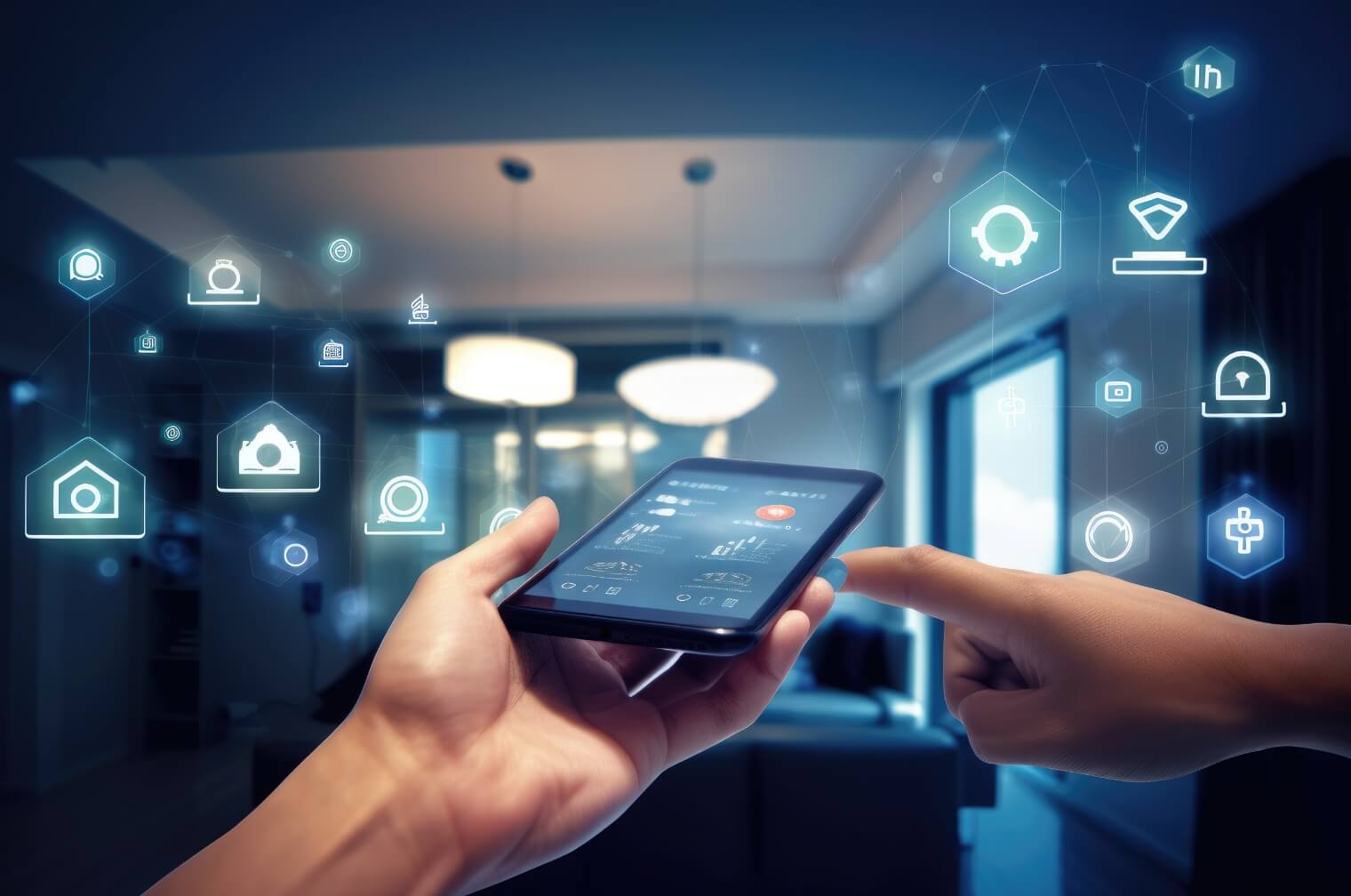
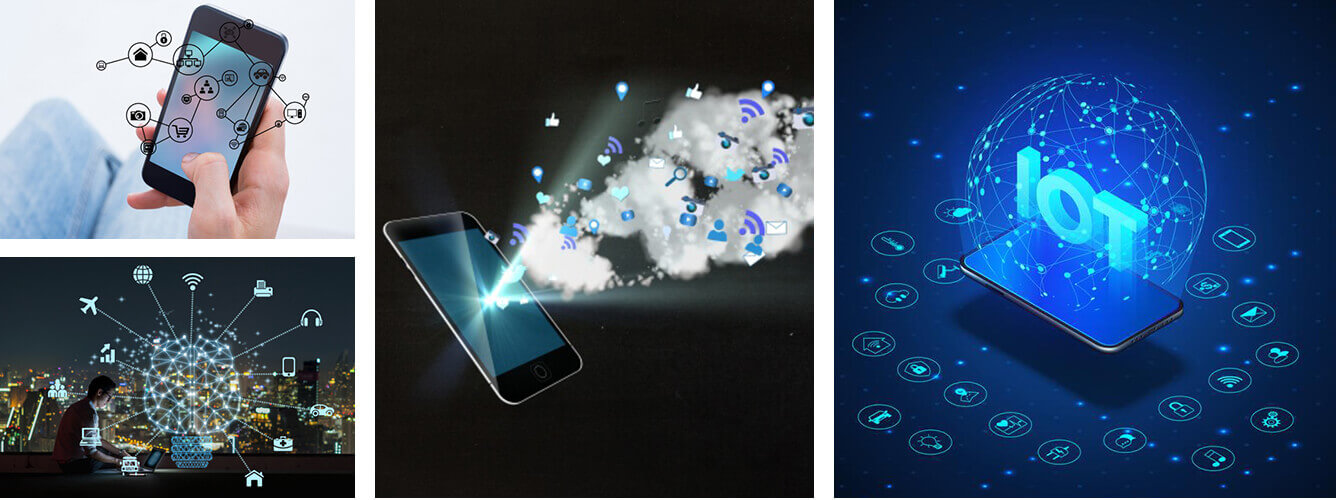
The Internet of Things (IoT) is an environment in which all things such as networks, humans, devices, etc., can communicate over the web using a unique identifier.
The key idea behind IoT is to build a situation where we don’t need to control every part of devices separately. Instead of having control over a typical chain of connected events, several interconnected devices can easily communicate with each other and with humans.
According to Fortune Business Insights, Between 2021 and 2028, the global Internet of Things market is predicted to reach from $381.30 billion in 2021 to $1,854.76 billion in 2028 at a CAGR of 25.4%.
The Internet of Things integrates multiple trends, incorporating Big Data, the Increasing use of video devices, the growth of connected or integrated devices, cloud computing, and enhancing the uses of modern computing devices over traditional devices.
Know how IoT is reshaping the current & future markets
IoT, or the Internet of Things, is revolutionizing the current and future markets in numerous ways. It refers to the network of interconnected devices that communicate and exchange data with each other via the internet.
Smart manufacturing with IoT
IoT is like a driving force that brings a revolution in industries 4.0 phenomenon. Using vibration control on vital factory equipment and intelligent sensors for moisture, and temperature, industries are improving operational efficiencies, analyzing failures, & effectively optimizing their workflows.
According to IDC, in 2019, the total estimated investment in IoT made by manufacturing industries was $119 billion.
IIoT (Industrial IoT) platforms are overtaking the task of traditional MES, incorporating inventory management, quality control, and product maintenance. Industry 4.0 will take communication technologies and information to bring a higher level of digitization and automation.
IoT for smart healthcare
With the advent of immersive technologies like AI and Machine Learning, healthcare data increases; new possibilities are rising. The value and importance of healthcare data is unlocked in modern patterns such as creating personalized treatments, diagnosing illness, and scans.
Please don’t get confused. IoT in healthcare is not used to identify diseases; however, it helps analyze patient information in real-time to know the exact health conditions and offer proactive treatments to patients.
For example, FRID wristbands and health monitors enable tracking information such as heart rate, body temperature, blood pressure etc.
Artificial intelligence & advanced management
There is a huge list of emerging trends in IoT; however, without Artificial Intelligence (AI), it can’t be completed. Therefore, in highly typical projects, the combination of the Internet of Things (IoT), blockchain, and artificial intelligence (AI) becomes the IBM case. Indeed the increase in data is one of the biggest changes that covers several IoT industry trends.
As per Verified Market Research, the global Internet of Things (IoT) market hit USD 826.25 Million in 2019 and is estimated to grow at a CAGR of 19.98% from 2020 to 2027 and will reach USD 3,281.55 Million by 2027.
Indeed, IoT is all about data collection to let businesses take reasonable and required actions on the verified and analyzed information. Depending on the AI backing to the IoT efforts with advanced data analytics, any business can easily make reliable estimations.
All such predictions can participate in improving data management with the assistance of intelligent automation. With the current machine learning algorithms, procedures can be easily automated, enabling an enhanced sense of data gathering and increased accuracy. Experts can also make connections between IoT and AI through metaphors.
5G networks across the industries
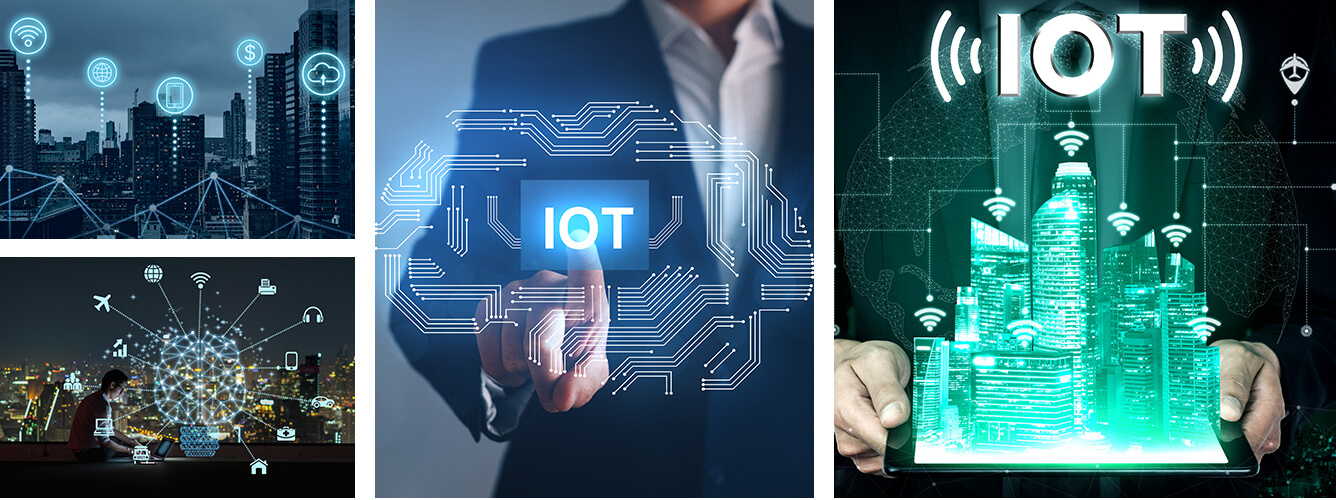
In the 21st century, 5G networks will be deployed to several industries worldwide. This will be a driving factor in bringing an increase in the number of IoT devices. IoT and 5G are termed as the beacons of the next industrial revolution.
Now, it is time to drive tech transformation using immersive technologies. 5G network offers far more reliable and faster connectivity, which helps businesses transform business processes and manufacturing accordingly. 5G, along with IoT, are creating a robust infrastructure for tablets, wearable devices, vehicles, and smartphones. In the future, more devices will be based on IoT technology.
The engagement of IoT with 5G will power up the development of intelligent cities, benefits the manufacturing industry, improves health industries and connected vehicle networks. The whole ecosystem is connected devices, and intelligent sensors are predicted to bring new shapes to the future
Transforming the energy and utility sector
The motto behind using IoT in the energy and unity sector is that it enhances revenue, improves efficiency, and better use of enterprise resources. Let’s check few use cases of IoT in this sector
- Oil & Gas
- Smart meters
- Electricity grid management water management
Blockchain technologies reshaping IoT
Blockchain is one of the widely used IoT technology trends. Money transactions and data transfer between different IoT devices in a reliable way is now possible as blockchain offers an accessible infrastructure to get things don effortlessly.
Both blockchain and IoT are living up together to their hike. The decentralized nature of blockchain matches with the fragmented nature of IoT. IoT devices are intended to improve people’s life and business processes.
This needs the constant building of personal data and signifies more substantial threats of hackers. The distributed nature of blockchain will create a vast amount of data accessible when required with the minimum security threats.
Revolutionizing the retail industry
The IoT technology provides three different opportunities to retailers in complex areas: the supply chain, revenue streams and available channels, and customer experience. IoT seems like a work of imagination; however, it has become a reality even faster than our understanding.
Retailer business owners who waver to build and implement an IoT strategy will offer new opportunities for competitors. As a retailer, if you start using IoT in your business, it will create more customers, improve the supply chain, and generate more revenue.
Intelligent farming with IoT
The world population is increasing every day, so the food requirement will increase accordingly. The United Nations assumed that there would be more than 70% by 2050 to fulfill the needs of a growing population.
Indeed, in farming, IoT can play a significant role in improving the agriculture industry, optimizing resources and increasing efficiency.
IoT offers more productivity for WFH
Work From Home (WFH) has become an increasing trend due to the current pandemic situation. Safety is the primary concern for all organizations. All AI-enabled personal assistants like Alexa are now used in many homes, and we can expect more apps intended with IoT to enable us to our daily working needs remotely.
This will tend to more interactive video conferencing, virtual meeting technology, calendar tools, intelligent automated scheduling, and better quality.
Enhancement in cloud computing
Worldwide Cloud Computing Market Outlook to 2023 is predicted to expand at a CAGR of 18%– Increase in SMEs to build more revenue for Cloud service providers.
According to DeloitteThe Internet of Things market is assumed to generate USD$ 11.5 billion by 2025.
Cloud platforms, the operating environments and the hardware of online data centers built rapidly in the last five years and now increasing at a CAGR of 18%.
As a result, large technology providers added their computing power and data storage capacity as vital power for expanding IoT applications, which enabled the development of more functional, analytical, and secure functionalities in the apps.
IoT is everywhere nowadays but not executed in one go. It is an ongoing process that offers advantages to digital transformations. We have seen tremendous growth and acceptance of IoT devices across the world. Such technologies are continuously bringing changes to our lives.
Additionally, it is suitable for businesses to adjust their processes and operations to the new capabilities of IoT. It also enables you to easily address those difficulties that were not easy to use earlier with traditional technologies. Using IoT, you can also maximize the value of your business and enhance its growth.